There is a moment every aspiring model knows. You are looking through your photographs, imagining yourself on a campaign, walking into a casting, or receiving that email from an agency you have always wanted to work with.
Some images make you feel confident. Others leave you wondering whether you look professional enough, whether your expressions feel natural, or whether your portfolio tells the right story.
You might have dozens of beautiful photographs and still feel uncertain about submitting them. Alternatively, you might have only a handful of images and question whether they are enough to get noticed.
The truth is that a strong modelling portfolio is not about having the most photographs. It is about having the right photographs that show your potential, versatility and suitability for the market you want to enter.
At Choice Model Management, we believe that understanding what makes a portfolio effective is an important step towards approaching the modelling industry with greater confidence.
Whether you are an aspiring fashion model in London, exploring commercial modelling in Manchester, or building your first portfolio elsewhere in the UK, knowing when your images are ready can help you take your next step with purpose.
So, how do you know when your modelling portfolio is ready?
Let’s explore the essential signs.
1. Your Portfolio Shows Who You Really Are
Before considering dramatic styling, elaborate sets or high-fashion concepts, ask yourself a simple question: can someone understand your natural look from your portfolio?
A modelling portfolio should communicate your appearance clearly. Agencies and clients need to see your features, proportions, expressions and overall presence without being distracted by excessive retouching or styling.
This is particularly important when approaching UK modelling agencies, many of which request simple, recent photographs alongside a model’s professional portfolio.
Your portfolio should include a selection of images that reveal different aspects of your look.
Start with natural digitals
Digitals, sometimes called polaroids, are straightforward photographs that show you as you currently look. They are typically taken in natural or even lighting, against a simple background, wearing uncomplicated clothing.
Depending on the agency’s requirements, useful digitals may include:
- A clear headshot showing your face without distracting makeup.
- A full-length photograph showing your natural proportions.
- A side profile that reveals your features.
- A relaxed three-quarter photograph.
- A simple smiling image, particularly if you are interested in commercial modelling.
Keep your hair in a natural style, avoid heavy filters and choose clothing that allows your shape and proportions to be seen clearly.
You do not necessarily need an expensive studio to take good digitals. A clean background, soft daylight and a smartphone camera can be enough to create a useful starting point.
The readiness test: If someone can see your photographs and understand what you look like in real life, without guessing how much has been changed by editing, you are on the right track.
2. You Have the Right Mix of Portfolio Images
One of the most common challenges for new models is deciding which types of photographs belong in a portfolio.
Should you include editorial fashion images? Commercial lifestyle shots? Beauty portraits? Simple digitals?
The answer depends on your modelling goals, your experience and the agencies or clients you want to approach.
A fashion portfolio may need a different balance from a commercial or e-commerce portfolio. Rather than trying to include everything, build a selection that supports the work you want to pursue.
The essential types of modelling photographs
1. Natural headshots
A clear headshot helps showcase your facial features, skin and natural expression. It should feel authentic rather than heavily retouched.
2. Full-length images
These photographs show your proportions, posture and how you carry yourself. Clean styling and a straightforward pose help keep the attention on you.
3. Editorial fashion images
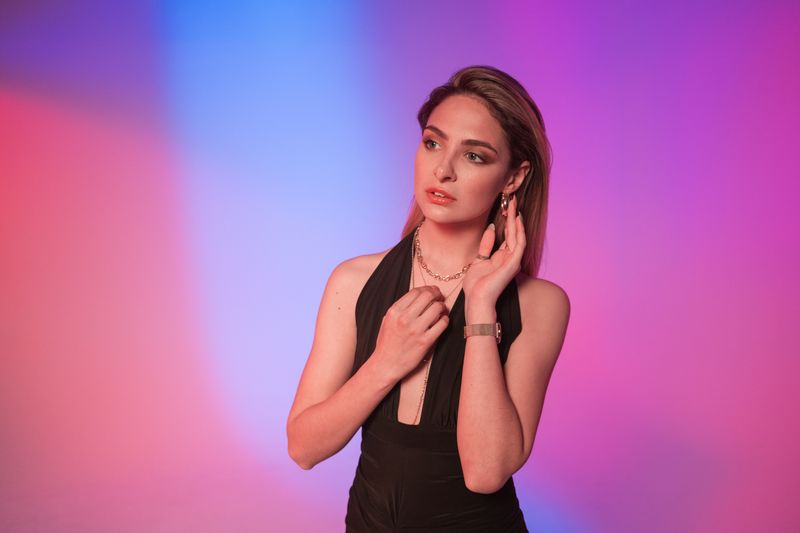
Editorial photographs demonstrate your ability to communicate a mood, work with styling and create an interesting visual story. They can be particularly useful when pursuing fashion-focused opportunities.
4. Commercial lifestyle shots
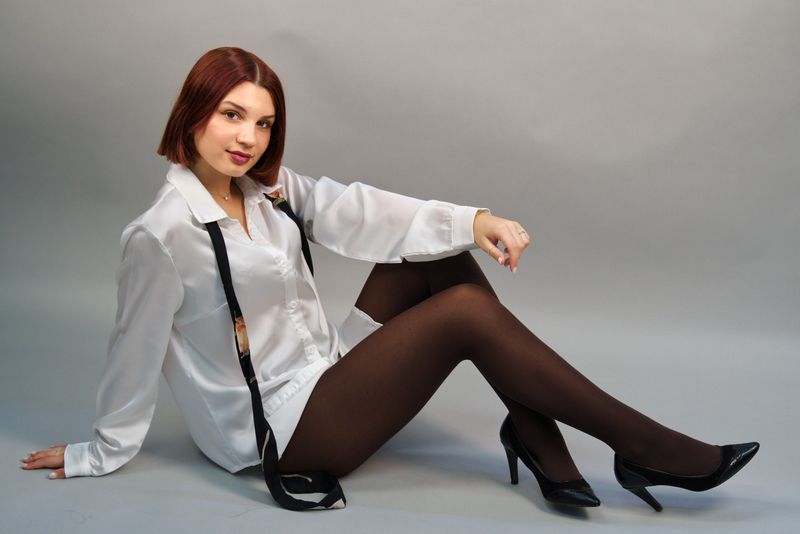
Commercial images often feel approachable and relatable. Think natural laughter, confident expressions, everyday settings and believable interactions. These photographs can demonstrate your suitability for advertising, retail and lifestyle campaigns.
5. Beauty portraits
Beauty images bring attention to your face, skin, hair and expressions. They can be useful for beauty, skincare, haircare and cosmetics-related opportunities.
6. Movement and personality shots
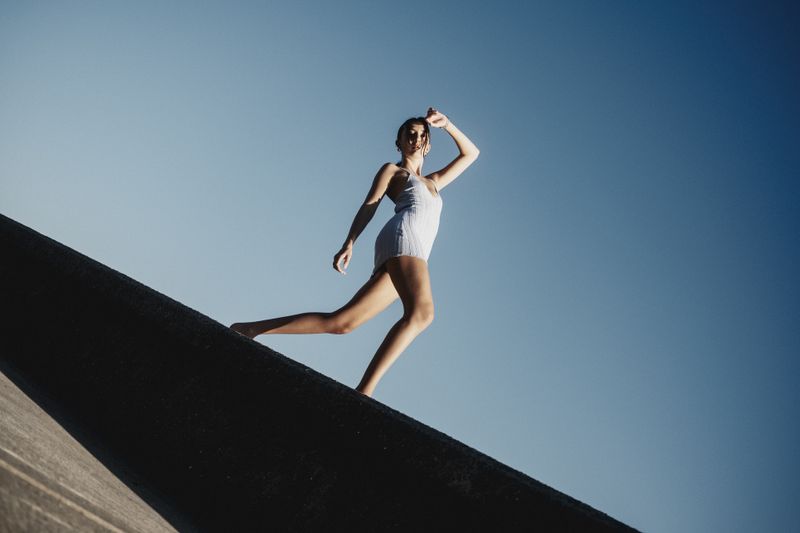
Depending on your target market, photographs showing you walking, turning, laughing or interacting naturally with your surroundings can add life and personality to your portfolio.
You do not need every category simply to make your portfolio appear complete. A few exceptional, relevant photographs are more valuable than a collection of images that do not support your goals.
For example, an aspiring commercial model may benefit more from a convincing lifestyle image than from an elaborate editorial photograph that does not reflect the work they want to book.
The readiness test: Every image should have a purpose. If you cannot explain what a photograph adds to your portfolio, consider whether it deserves a place.
3. Your Photographs Look Professional Without Losing Their Authenticity
You have found the right outfits, practised your poses and captured photographs you genuinely like. But when you compare them with the images you see in professional campaigns, something feels different.
Often, that difference comes down to execution rather than appearance.
Lighting, composition, styling, expression and image quality can influence how confidently your photographs communicate your potential.
The good news is that you do not need years of experience to begin improving these areas.
Lighting makes a difference
Harsh shadows, distracting highlights and inconsistent lighting can make an otherwise strong photograph feel unfinished.
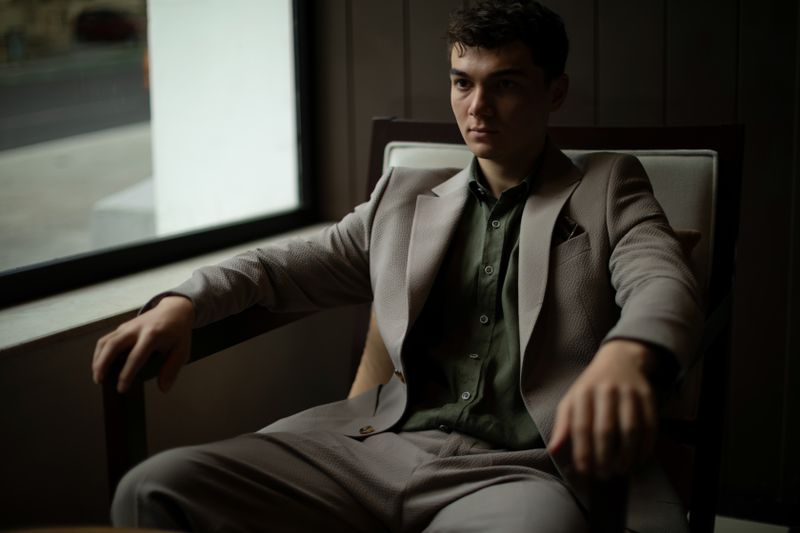
For natural portraits, try soft daylight near a window or shoot outdoors in open shade. If you work with a photographer, discuss the mood you want to achieve and make sure your face remains clearly visible.
Styling should support the image
Clothing does not need to be expensive to look effective. Well-fitting, clean and appropriate outfits often work better than pieces that overpower your features.
Choose styling that suits your intended market. Simple clothing can help showcase your natural look, while carefully selected statement pieces can support editorial concepts.
Posing should look intentional
You do not need to master every runway-inspired pose or produce dramatic expressions on demand.
Start with the fundamentals: relaxed shoulders, natural hands, good posture and subtle changes in the angle of your face and body.
Practise shifting your weight, turning slightly towards or away from the camera, and moving between expressions rather than holding the same pose throughout a shoot.
The aim is not to look perfect in every frame. It is to show that you can respond to direction and create images that feel believable.
Retouching should never replace a strong photograph
Excessive skin smoothing, altered proportions and heavy filters can make your portfolio less representative of your real appearance.
Professional-quality images should still look like you.
The readiness test: Your photographs are clear, well-composed and appropriately styled. They demonstrate your potential without relying on excessive editing to make you look different.
4. Your Portfolio Demonstrates Versatility
Imagine opening a portfolio containing fifteen photographs. Every image features the same outfit, the same expression, the same lighting and almost identical poses.
Even if the photographs are attractive, they may leave an important question unanswered: what else can this model do?
Versatility does not mean trying to become a completely different person in every image. It means demonstrating that you can adapt your expression, movement, styling and energy to suit different briefs.
Depending on your intended market, consider showing a balance of:
- Confident and relaxed expressions.
- Direct eye contact and more reflective looks.
- Close-up portraits and full-length photographs.
- Minimal styling and more fashion-led looks.
- Approachable commercial energy and stronger editorial presence.
You should also consider the diversity of the work itself. Different backgrounds, outfits, lighting styles and compositions can create a more interesting portfolio when they serve a clear purpose.
However, do not include photographs simply to tick boxes. Your selection should feel cohesive rather than random.
If you are pursuing commercial modelling, authentic smiles and relatable expressions may be especially useful. If your focus is fashion, strong lines, considered movement and the ability to communicate a concept may deserve more attention.
The key is to demonstrate range that feels natural to you.
The readiness test: Someone looking through your portfolio can identify your core strengths while also seeing how you might adapt to different assignments.
5. Your Portfolio Matches the UK Modelling Market You Want to Enter
The UK modelling industry includes many different markets, from editorial fashion and runway work to e-commerce, beauty, advertising and lifestyle campaigns.
Each has its own creative priorities.
A portfolio that works well for one type of modelling may not be the most effective choice for another. Understanding your intended market helps you decide which photographs to prioritise.
Fashion and editorial modelling
For fashion-focused opportunities, emphasise photographs that demonstrate your ability to carry clothing, work with a concept and create compelling shapes or expressions.
Your images should show a considered visual style without making it difficult to see you.
Commercial and lifestyle modelling
Commercial clients often need models who can communicate a product or idea in a relatable way. Natural expressions, warmth, movement and a convincing sense of personality can be valuable.
Beauty modelling
Beauty-focused portfolios should prioritise strong close-ups, clear skin presentation, expressive features and images that allow the viewer to appreciate the details of your face.
E-commerce modelling
E-commerce work often relies on consistency, clear presentation of garments and the ability to follow direction across multiple looks.
Images that demonstrate straightforward posing and how clothing sits on your body may be particularly relevant.
New faces and aspiring models
If you are new to modelling, remember that you may not need a fully developed professional portfolio before approaching every agency.
Some UK agencies accept simple, recent photographs when considering new talent. Their requirements differ, so check each agency’s official submission guidance before investing in an elaborate photoshoot.
A common mistake is assuming that a portfolio must look like a high-budget fashion campaign before it is worth submitting. In reality, the appropriate starting point depends on the agency, the category and your current experience.
The readiness test: Your photographs reflect the type of modelling you want to pursue, and you have checked what your intended agencies or clients actually request.
6. You Have Chosen Your Strongest Images, Not Just Your Favourite Ones
This is where many aspiring models get stuck.
You may have spent hours preparing for a shoot, worked with a photographer you admire and captured images that hold special memories. Naturally, you want to include as many as possible.
But a portfolio is not a scrapbook of every successful photograph you have ever taken.
It is a carefully edited introduction to your potential.
Sometimes, the image you love most is not the one that best communicates your modelling ability. Another photograph may have a more natural expression, clearer lighting or a pose that better suits your target market.
To curate your portfolio effectively, review each image against a few practical questions:
- Does this photograph clearly show my features or modelling ability?
- Does it contribute something different from the other images?
- Is the image technically strong enough to represent me professionally?
- Does it suit the type of modelling I want to pursue?
- Would I feel confident showing this photograph to an agency or client?
If two photographs serve exactly the same purpose, keep the stronger one.
If an image is beautiful but heavily edited, outdated or unrelated to your intended market, it may be better suited to a personal collection than a professional portfolio.
Ask a trusted, experienced industry professional for feedback if you find it difficult to make objective decisions. Constructive criticism can help you recognise strengths and weaknesses that are hard to see when you are emotionally attached to your work.
The readiness test: Every photograph earns its place, and removing a weaker image makes the overall portfolio more focused.
7. Your Portfolio Has the Right Length and Flow
How many photographs should a modelling portfolio contain?
There is no universal number that suits every model, agency or client. Submission instructions should always take priority.
For an initial portfolio review, a concise selection of approximately 8–15 strong images can be a useful starting point when no specific format or length has been requested. This is a practical guideline, not an industry-wide rule.
A developing model may need fewer photographs, while an established model with a broader range of relevant work may have more to show.
What matters is the quality and progression of the images.
How to arrange your photographs
Think of your portfolio as a visual introduction rather than a random gallery.
Open with impact. Lead with a strong image that immediately communicates your look and potential.
Establish your natural appearance. Include clear portraits and straightforward images that help the viewer understand what you look like.
Demonstrate range. Follow with selected editorial, commercial, beauty or other relevant work that highlights different strengths.
Finish with intention. End with an image that reinforces your suitability for your target market rather than repeating an earlier photograph without adding anything new.
The sequence should feel natural, allowing each image to build on the previous one.
Avoid placing several nearly identical portraits together unless there is a specific reason to show a consistent series.
Also, remember that an impressive opening photograph cannot compensate for a weak collection overall. Every image should maintain a reasonable standard of quality.
The readiness test: Your portfolio feels deliberate from the first photograph to the last, with a clear sense of who you are and what you can offer.
8. You Have Chosen the Right Portfolio Format
Even excellent photographs can lose their impact when they are presented poorly.
Fortunately, you do not necessarily need a printed portfolio book or an elaborate website when you are starting out. The best format depends on how you plan to use your images.
Digital portfolio
A digital portfolio can be convenient for online submissions, sharing with contacts and updating your images as your experience develops.
Keep the presentation clean, use appropriately sized images and ensure the file is easy to open. If you create a PDF, check that the images remain sharp without making the file unnecessarily large.
Professional portfolio website
A website can help established or developing models present their work in an organised, accessible format.
Include a clear selection of photographs, relevant contact details and, where appropriate, basic professional information. Keep navigation simple and ensure the site works well on mobile devices.
A website is useful when it serves a purpose, but it is not a substitute for strong images or a requirement for every new model.
Printed portfolio book
A physical book can be valuable in certain in-person meetings, castings or agency settings where printed photographs are requested or appropriate.
Prioritise high-quality printing, consistent presentation and a manageable selection of images.
Do not assume that every casting or agency expects a printed book. Follow the instructions you receive.
Social media
A professional social media profile may complement your portfolio by showing additional work and helping potential collaborators understand your interests.
However, your modelling portfolio should remain curated. Personal posts, casual snapshots and experimental content do not all need to appear alongside your strongest professional images.
The readiness test: Your photographs are easy to access, presented clearly and available in the format requested by the person reviewing them.
9. Your Images Are Recent and Accurately Represent You
One of the most overlooked aspects of portfolio readiness is relevance.
A photograph might be technically excellent, but if it no longer reflects your current appearance, it may not be the best representation of you today.
Changes in hairstyle, hair colour, facial hair, personal styling or other visible features can affect how accurately an older image represents your current look.
This does not mean you must replace every photograph whenever something changes. It means reviewing your portfolio regularly and being honest about which images remain representative.
Keep recent digitals available, particularly when an agency requests them.
If your appearance has changed substantially, consider updating the photographs that no longer reflect you accurately.
Equally, do not rush into a new photoshoot just because you feel your portfolio must constantly change. A well-curated selection of relevant images can remain useful for a considerable period, provided it continues to represent you and meets the requirements of the opportunities you pursue.
The readiness test: Your portfolio gives an accurate impression of how you look now, not simply how you looked during your favourite shoot.
10. You Are Ready to Submit, Even If Your Portfolio Is Not Perfect
Perhaps the biggest obstacle to submitting a modelling portfolio is not the photography itself. It is the feeling that you need to be completely ready before anyone can see your work.
You compare your photographs with established models, notice the difference in production quality and begin to wonder whether you should wait until you have better images, more experience or a more impressive collection.
It is understandable to want to make a good first impression. Your portfolio represents your ambition, and you want it to reflect the effort you have invested.
But perfection is not the same as readiness.
A portfolio can be ready for an initial agency submission without being a finished body of work. You can continue improving your posing, building your experience and updating your images as opportunities develop.
In fact, feedback and practical experience may help you understand what to improve far more clearly than endless revisions made in isolation.
Before submitting, make sure your photographs are clear, appropriate, current and aligned with the agency’s requirements. Then take the next step.
Choose agencies carefully, follow their submission instructions and avoid assuming that expensive portfolio packages are necessary to secure representation.
A professional portfolio should support your potential, not become a barrier that prevents you from pursuing it.
The readiness test: You can explain why your selected images represent you well, you have followed the relevant submission requirements, and you are prepared to learn from the process.
Your Modelling Portfolio Readiness Checklist
Before sending your portfolio to a UK modelling agency or client, use this checklist to review the essentials.
- My digitals are recent and show my natural appearance.
- My photographs are clear, well-lit and appropriately composed.
- I have included a suitable mix of headshots, full-length images and relevant portfolio work.
- My photographs demonstrate the range needed for my intended modelling category.
- My styling, poses and expressions feel considered rather than repetitive.
- I have selected my strongest images instead of including every photograph I like.
- My portfolio follows a clear, intentional sequence.
- The presentation is clean and easy to view on a phone or computer.
- My photographs accurately reflect my current appearance.
- I have checked the submission requirements of each agency or client.
- I am comfortable sharing the portfolio as a representation of my current abilities.
If you cannot tick every box yet, do not panic. Use the checklist to identify the areas that need attention and work through them one at a time.
A few thoughtful improvements can be more valuable than an entirely new portfolio created without a clear plan.
Common Modelling Portfolio Mistakes to Avoid
Even promising portfolios can lose their impact when small but important details are overlooked.
Here are some mistakes worth avoiding.
Including too many similar photographs. Repetition can make your portfolio feel less versatile. Choose the image that best communicates your strengths.
Relying entirely on heavily edited images. Your portfolio should reflect your real appearance and not create unrealistic expectations about how you look.
Following trends without considering your goals. A dramatic editorial style may be visually striking, but it may not serve a commercial modelling submission as effectively as a natural, relatable image.
Ignoring agency-specific instructions. Some agencies request digitals, specific angles or particular submission formats. Read their guidance before sending your photographs.
Spending money before understanding what you need. You may not need an expensive photoshoot or a large printed book to begin approaching agencies. Research the requirements first.
Waiting indefinitely for perfection. Improving your portfolio matters, but so does taking action when your images are ready for the opportunity in front of you.
The goal is to build a portfolio that communicates your strengths clearly, not one that attempts to satisfy every possible expectation in the industry.
How Choice Model Management Can Help You Take the Next Step
Building a modelling portfolio can feel overwhelming when you are trying to understand photography, styling, posing, image selection and agency expectations at the same time.
You may know that you have potential but struggle to identify which photographs communicate it most effectively.
Or perhaps you already have a collection of professional images and simply need a clearer understanding of how to present your strengths.
At Choice Model Management, we recognise that every modelling journey develops differently. Your portfolio should reflect your individual look, your goals and the opportunities you want to pursue.
Taking a thoughtful approach to portfolio development can help you focus on what matters: presenting yourself authentically, demonstrating relevant strengths and preparing to approach the industry professionally.
Rather than chasing an arbitrary number of photographs or trying to imitate another model’s career, begin by understanding what makes your own portfolio distinctive.
Choose images with intention. Seek constructive feedback. Keep your presentation current. Most importantly, give yourself permission to progress.
Your first portfolio does not have to tell the story of an entire modelling career. It simply needs to make a compelling case for the next step.
Frequently Asked Questions About Modelling Portfolios in the UK
1. How do I know if my modelling portfolio is good enough?
Your portfolio is in a strong position when it includes clear, current photographs that represent your appearance accurately, demonstrate relevant strengths and meet the requirements of your intended agencies or clients. You do not need to have extensive experience or a huge collection of professional images to begin exploring opportunities.
2. How many photos should be in a modelling portfolio?
There is no fixed number for every model. If no specific instructions are provided, approximately 8–15 carefully selected images can be a useful starting point for a developed initial portfolio. Some agencies may prefer fewer photographs, particularly when reviewing new faces, so always follow their guidance.
3. Do I need professional photos to join a UK modelling agency?
Not always. Some UK agencies accept simple, recent digitals when considering new talent. Professional photographs may become more useful as your portfolio develops, but you should check the agency’s official requirements before paying for a shoot.
4. What are digitals in modelling?
Digitals are straightforward photographs that show your current, natural appearance with minimal styling and no distracting filters. They commonly include headshots and full-length images, with additional angles depending on the agency’s instructions.
5. Should I include editorial and commercial photographs in the same portfolio?
You can, provided the images support your modelling goals and create a coherent presentation. If you are targeting a specific market, prioritise the photographs most relevant to it rather than including every style simply to demonstrate variety.
6. Can I create a modelling portfolio using my phone?
Yes, particularly when starting out or taking digitals. Use a clear background, soft and even lighting, a clean camera lens and simple clothing. Follow the agency’s instructions regarding angles and framing. For more specialised editorial or commercial work, collaborating with an experienced photographer may help you achieve the intended result.
7. How often should I update my modelling portfolio?
Review your portfolio periodically and whenever your appearance, modelling direction or experience changes significantly. Replace images that no longer represent you accurately, and add stronger work when it contributes something relevant. There is no need to update your portfolio simply for the sake of changing it.
8. What do UK modelling agencies look for in a portfolio?
Expectations vary by agency and modelling category. Clear digitals, an accurate representation of your appearance, appropriate images and evidence of relevant potential can all be useful. Check the agency’s official submission guidance rather than assuming that every agency expects the same portfolio.
9. Do I need a modelling portfolio website?
No. A website can be useful, but it is not essential for every aspiring model. A well-organised digital portfolio or the photographs requested by an agency may be sufficient for an initial submission.
10. Should I pay for a professional portfolio before approaching agencies?
Research your intended agencies first. Some accept simple digitals and do not require new models to purchase professional portfolio packages. Be cautious of anyone who promises guaranteed representation in exchange for payment, and review any proposed costs and terms carefully before committing.
Final Thoughts: Your Portfolio Should Open Doors, Not Hold You Back
Knowing whether your modelling portfolio is ready is about more than counting photographs or comparing yourself with established professionals.
It is about understanding your strengths, selecting images that represent you honestly and presenting them in a way that makes your potential easy to recognise.
You might need better lighting, a stronger headshot, more variety or simply a more focused selection of photographs. Those are practical improvements, and each one can bring you closer to a portfolio that reflects the model you are becoming.
Remember, every established model started somewhere. You do not need to have every answer before taking your first step.
Your next move is simple: review your current portfolio, identify the one area that needs the most improvement, and make a plan to address it. Then research the UK agencies that suit your goals and follow their submission requirements.
At Choice Model Management, we encourage aspiring models to approach their portfolios with care, confidence and a clear sense of direction.
Your photographs are your introduction. Make sure they tell the right story.
Ready to take the next step in your modelling journey? Explore Choice Model Management’s official website to learn more about our agency, our approach and the opportunities available to suitable talent.
Editorial note: This article provides general portfolio guidance. Individual agencies and clients may have different requirements, and meeting portfolio guidelines does not guarantee representation or bookings.