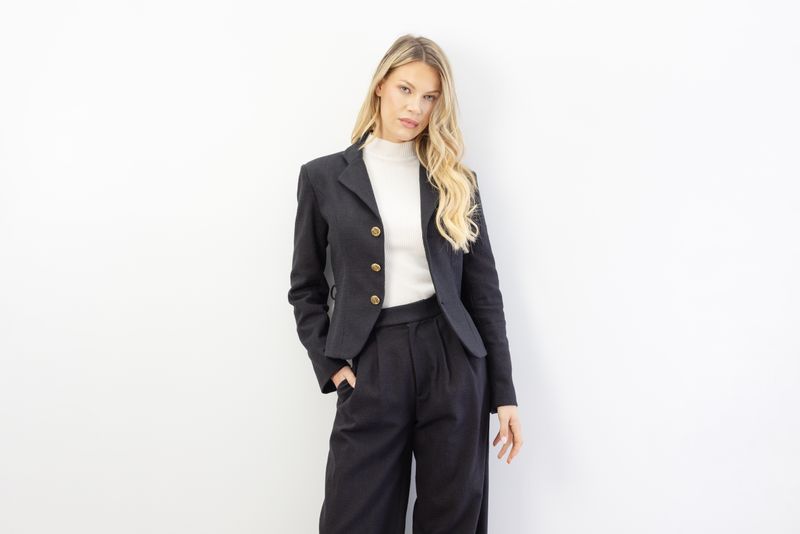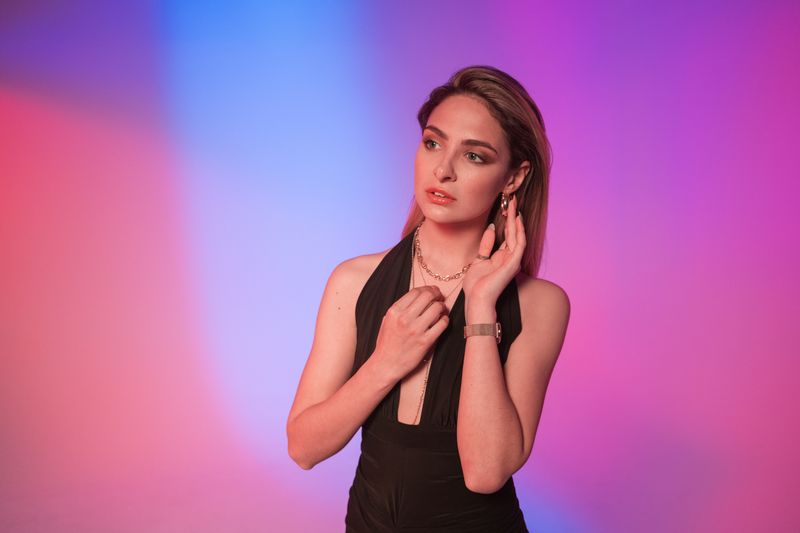
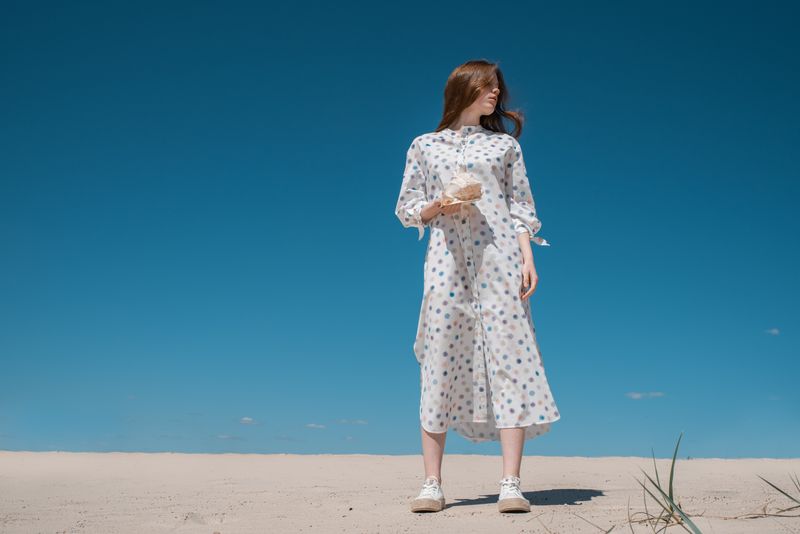

A stronger modelling application starts before you send your first email. Discover how to improve your presentation, portfolio, confidence and professional readiness before approaching UK modelling agencies.
You have chosen your best photographs, written a few lines about yourself and found a modelling agency you would love to join. You are ready to click Submit.
But before you do, take a moment.
Does your portfolio show your current appearance? Do your photographs demonstrate your versatility? Can you explain what makes you suitable for modelling, beyond simply wanting to become a model?
Applying to a modelling agency can feel like a significant step. It takes courage to put yourself forward, particularly when you are entering an unfamiliar industry. However, enthusiasm alone cannot replace preparation.
At Choice Model Management, we believe that aspiring models benefit from taking an honest look at their presentation, application materials and professional readiness before approaching agencies.
You do not need to look perfect. You need to present yourself thoughtfully, accurately and professionally.
Here are nine things worth addressing before you apply to a modelling agency in the UK.
1. Give Your Skin the Care and Attention It Needs
Your skin does not need to be flawless to pursue modelling. Acne, uneven skin tone, freckles, scars and other natural features do not automatically prevent someone from being considered.
What matters is understanding the difference between a natural characteristic and a concern you would personally like to address.
If persistent breakouts, irritation or dryness are affecting your comfort or confidence, consider establishing a suitable skincare routine or seeking advice from a qualified healthcare professional when necessary. Avoid experimenting with harsh treatments immediately before a portfolio shoot.
Remember that photographs should represent your real appearance. Heavy editing, filters and excessive retouching can create an unrealistic impression and make it harder for an agency to assess your suitability.
Your next step: Take a clear, unfiltered photograph in natural light. Look at your skin as it is today, rather than comparing it with heavily edited images online. Focus on healthy presentation, not perfection.
2. Find a Hairstyle That Works for You
Hair contributes to the overall impression you make in photographs. Damaged ends, an unmaintained style or a look that obscures your features may distract from an otherwise strong application.
That does not mean you need an expensive haircut, professional colouring or a complete transformation.
Instead, consider what makes your natural appearance work well. A tidy, healthy-looking style that suits your features can be more effective than following a trend that does not feel right for you.
If you have long hair, short hair, curls, textured hair, a shaved head or grey hair, your individuality may be part of what makes your look distinctive.
Before a test shoot, avoid drastic last-minute changes. Give yourself time to understand how a hairstyle photographs and whether it reflects the image you want to present professionally.
Your next step: Prepare two simple looks for your photographs, if appropriate for your hair length and style. Keep one close to your everyday appearance and use the other to demonstrate a little versatility.
3. Pay Attention to Your Smile and Dental Presentation
A confident smile can help bring personality to a photograph. However, many aspiring models worry about stained teeth, slight misalignment or other minor dental imperfections.
These concerns do not automatically rule you out of modelling.
If you are concerned about your dental health, seek advice from a qualified dental professional. Professional cleaning may be appropriate for some concerns, while other cosmetic treatments may be unnecessary. Avoid unverified whitening products or treatments that promise immediate results.
Equally, do not assume that every modelling opportunity requires perfectly straight, exceptionally white teeth. Different clients and campaigns look for different appearances, expressions and characteristics.
Your next step: Practise both a natural smile and a relaxed, neutral expression. Your ability to communicate different moods can be just as important as the appearance of your teeth.
4. Update Your Portfolio With Clear, Versatile Photographs
A portfolio is not simply a collection of attractive pictures. It should help an agency understand your current appearance, range and potential.
One of the most common preparation mistakes is submitting photographs that are outdated, heavily edited or too similar to one another.
A collection of ten nearly identical selfies may reveal less about your potential than a smaller selection of clear, varied photographs.
For an initial application, consider including:
- A clear headshot: Your face should be easy to see, with natural lighting and minimal distractions.
- A full-length photograph: Allow the agency to assess your overall proportions and presentation.
- A natural, unfiltered image: Show your current appearance without beauty filters or substantial retouching.
- A range of expressions: Demonstrate that you can communicate different moods comfortably.
- A different look, where appropriate: A change in styling, clothing or expression can demonstrate versatility without making your portfolio feel inconsistent.
You do not necessarily need an expensive professional portfolio before making your first application. Follow the agency’s submission guidelines, and use clear photographs that accurately represent you.
For established models, professional images can help demonstrate experience and range. For beginners, simple and honest photographs can be a sensible starting point.
Your next step: Review every photograph you intend to submit. If it no longer represents your current appearance, replace it. If two images communicate exactly the same thing, consider keeping the stronger one.
5. Check Your Measurements Before Submitting Your Application
Accurate measurements matter because agencies may need to assess your suitability for particular assignments and categories.
Incorrect or inconsistent information can create unnecessary confusion, especially when your application includes details that differ from your portfolio or previous submissions.
Depending on the type of modelling you are pursuing, an agency may request your height, bust or chest, waist, hips, clothing size, shoe size or other relevant details.
Use the measurements requested by the agency rather than guessing or copying numbers from an old application.
Measure carefully, use the requested units and make sure your information is consistent throughout your submission. If you are unsure how to measure yourself correctly, ask someone to help or follow a reliable measuring guide.
Do not alter your measurements to fit an assumed industry standard. Different modelling categories have different requirements, and honest information helps agencies assess the opportunities that may suit you.
Your next step: Create a single, up-to-date record of your measurements. Check it before every application and update it when necessary.
6. Replace Your Generic Personal Statement With a Strong Introduction
Imagine an agency receiving an application that says:
“I am passionate about modelling, hardworking and eager to learn. Please give me an opportunity.”
There is nothing wrong with being enthusiastic. The problem is that the statement could describe almost anyone.
A stronger introduction gives the reader a clearer sense of who you are, what interests you about modelling and what you can bring to the role.
You do not need to write a long autobiography. A few relevant sentences are often enough.
For example:
“I am an aspiring model interested in commercial and lifestyle work. I enjoy expressing different moods through photography and am keen to develop my experience in front of the camera. I would welcome the opportunity to be considered for suitable assignments.”
This example is deliberately straightforward. Your own introduction should reflect your genuine interests and experience.
If you have previous experience in fashion, acting, dance, presenting or other performance-based work, mention it when relevant. If you are a beginner, there is no need to pretend otherwise.
Avoid exaggerated claims, copied biographies and statements that promise more than you can deliver.
Your next step: Read your introduction aloud. If it sounds unnatural or could belong to almost anyone, rewrite it to include one or two specific details about your interests, strengths or goals.
7. Build Confidence and Practise Your Posing
You do not need to arrive at your first test shoot already knowing every pose. Confidence and camera awareness can develop through practice.
However, if you feel uncomfortable in front of a camera, have difficulty following direction or repeatedly return to the same pose, preparing beforehand can make the experience less intimidating.
Start with simple exercises. Stand naturally, relax your shoulders, experiment with your posture and practise changing your expression without forcing a smile.
Record a short video of yourself moving between a few poses. Notice where your movements look natural and where you appear tense. Repeat the exercise until you become more comfortable.
You can also study professional photographs to understand how models use posture, eye contact, body positioning and expression. Use these images for inspiration rather than attempting to copy every pose exactly.
Most importantly, remember that confidence does not mean being the loudest person in the room. It can mean listening carefully, accepting direction and remaining composed when something does not work the first time.
Your next step: Spend ten minutes practising in front of a camera before your next shoot or audition. Focus on controlled movement and natural expression rather than trying to look perfect.
8. Understand What a Modelling Career Really Involves
Modelling can look glamorous from the outside. Finished campaigns show polished images, carefully selected outfits and confident expressions.
They rarely show the preparation, waiting, travel, repeated takes, unsuccessful applications or uncertainty that can accompany the work.
Not every application will lead to a response. Not every casting will result in a booking. Even experienced models may find that an opportunity is not right for them.
Understanding this before you apply can help you approach the industry with more realistic expectations.
You should also recognise that modelling opportunities vary. Fashion, commercial, lifestyle, beauty, mature modelling and other categories may involve different requirements, working conditions and client expectations.
There is no single appearance or career path that guarantees success.
Be prepared to learn, follow instructions, manage your availability and communicate professionally. Understand the financial arrangements before accepting representation or an assignment, including any fees, commissions, expenses and contractual obligations.
In the UK, take time to review agreements carefully. Ask questions if something is unclear, and never assume that a promised opportunity guarantees paid work.
Your next step: Identify the modelling categories that genuinely interest you. Research their requirements and consider whether they fit your current strengths, availability and goals.
9. Learn Professional Etiquette Before Contacting an Agency
Your application is also an introduction to how you communicate.
A thoughtful email, accurate information and a respectful approach can make the process clearer for both you and the agency.
Start by reading the submission instructions. If an agency requests specific photographs, measurements or a particular application form, provide what it asks for rather than sending unrelated material.
Keep your message concise. Use a clear subject line, check your spelling and include the information needed to understand your application.
Avoid sending repeated messages within a short period simply because you have not received an immediate reply. Allow a reasonable amount of time for the agency to review your submission, taking its stated response times into account.
Professionalism also involves knowing how to ask questions. If you are invited to discuss representation, clarify expectations, fees, commission, contract terms and the process for securing work.
Be cautious of anyone who pressures you into making an immediate payment, guarantees bookings or makes promises that seem unrealistic. Verify the identity of the person contacting you and check the agency’s official details before sharing sensitive information or committing financially.
Networking does not mean contacting everyone you can find. It means building respectful professional relationships over time.
Your next step: Before sending your application, read it from the agency’s perspective. Is it clear, complete, accurate and easy to review? If not, make the necessary changes first.
Your Pre-Application Checklist
Before you press Submit, take a final look at the details that can make your application clearer and more professional.
-
My photographs accurately reflect my current appearance.
-
My portfolio contains clear, varied images without excessive editing.
-
My hair and overall presentation are appropriate for the images I am submitting.
-
I have addressed any personal grooming or dental concerns that I want to improve, without assuming I need to look perfect.
-
My measurements are accurate, current and consistently presented.
-
My personal statement reflects my genuine interests and strengths.
-
I have practised basic posing and facial expressions.
-
I understand that modelling involves preparation, rejection and ongoing learning.
-
I have read the agency’s application guidelines and checked my message for errors.
-
I understand the importance of reviewing representation terms, fees and contractual obligations.
You do not have to tick every box to be worthy of consideration. This checklist is a practical preparation tool, not a universal standard that every model must satisfy.
The Goal Is Not Perfection. It Is Readiness.
It is easy to spend months wondering whether you look right, whether your photographs are good enough or whether you have enough experience to apply.
Sometimes, the next step is simply to begin.
But taking a little time to improve your portfolio, check your details and understand the professional side of modelling can help you submit a more considered application.
You cannot control every decision an agency makes. You can control how honestly you represent yourself, how carefully you prepare and how professionally you approach the opportunity.
Your natural features are not a checklist of flaws to eliminate. Your background does not need to match somebody else’s. And your first application does not need to tell the story of an already established career.
It needs to show the person you are today, the potential you bring and your willingness to approach the industry thoughtfully.
Ready to Take Your Next Step?
At Choice Model Management, we welcome aspiring and experienced talent who want to explore suitable opportunities in modelling and related performance work.
Before submitting your application, take the time to review your photographs, prepare your details and consider the categories that best reflect your look and interests.
When you are ready, visit our website and follow the application instructions to introduce yourself and your potential.
Prepare with purpose. Present yourself honestly. Take your next step with confidence.
Choice Model Management. Your next opportunity starts with a thoughtful introduction.