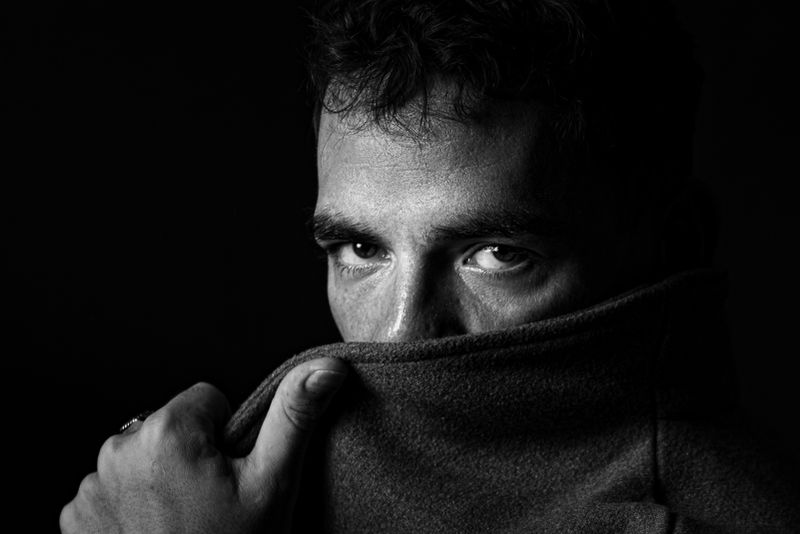

Confidence Is a Starting Point, Not the Finish Line
You feel comfortable in front of a camera. You enjoy experimenting with different looks, know your best angles and can walk into a room without questioning whether you belong there. Perhaps friends have told you that you should be a model, or your photographs regularly attract compliments.
Naturally, you begin to wonder: Am I ready to take the next step?
It is an exciting question, and one worth exploring. Confidence can help you present yourself authentically, handle unfamiliar situations and pursue opportunities that might otherwise feel intimidating.
But there is an important distinction between feeling ready and being prepared for professional modelling.
In the UK modelling industry, self-belief can open the door to trying something new. What helps you progress is learning how to meet the expectations of different assignments, respond to direction and present yourself professionally.
At Choice Model Management, we believe aspiring models benefit from understanding this distinction before submitting applications. You do not need to be perfect to begin. You do, however, need to recognise what you can already do well, where you need development and what your next step should be.
1. Looking Confident Does Not Mean You Have Mastered the Craft
Confidence photographs beautifully. Preparation makes it useful.
You might feel completely at ease in front of a camera, yet struggle when a photographer asks you to change your expression without moving your head. You might enjoy walking in heels but find it difficult to maintain a consistent runway walk. You might naturally smile for photographs but feel uncertain when asked to communicate a more serious or emotionally complex mood.
These are not signs that you lack potential. They are reminders that modelling is a practical skill, not simply a personality trait.
Professional assignments can require you to understand body positioning, facial expressions, movement, timing and the ability to follow direction. The right approach may change from one shoot to another.
For example, a commercial campaign might call for an approachable, natural expression, while an editorial shoot could require more stylised poses and a stronger visual concept. Runway work places greater emphasis on walking technique, posture and presentation.
Confidence helps you attempt these challenges. Practice helps you respond to them.
Before your next application, ask yourself: Can I demonstrate my skills in front of a camera, or am I relying mainly on how confident I feel?
That honest distinction can help you decide what to practise next.
2. Understand What Different Types of Modelling Require
One common misconception is that being attractive, photogenic or comfortable in front of a lens automatically makes someone suitable for every modelling opportunity.
In reality, different assignments call for different qualities.
Commercial modelling
Commercial modelling often involves presenting products, services or everyday experiences in a relatable way. Clients may look for expressions, body language and performances that suit a particular audience and brief.
You may need to communicate warmth, confidence, curiosity or excitement without making the expression appear forced.
Editorial and fashion modelling
Editorial work can demand a more considered visual presence. You may be asked to experiment with unusual poses, angles, movement and expressions to support a creative concept.
The ability to interpret direction and adapt your presentation can matter as much as your initial comfort in front of the camera.
Runway modelling
Runway work requires more than walking confidently towards an audience. Posture, pace, controlled movement, garment presentation and awareness of the runway environment all contribute to the result.
Practising your walk and learning to maintain composure under pressure can help you prepare for this setting.
Lifestyle and mature modelling
Lifestyle assignments may involve portraying believable everyday situations, while mature modelling can include campaigns that benefit from a more experienced, distinctive or relatable presence.
There is no single look that defines every opportunity. Requirements depend on the client, the campaign and the intended audience.
Understanding these differences helps you make more informed applications. Rather than asking whether you look like a model, consider which types of modelling suit your current strengths and where further training could improve your versatility.
3. Your Portfolio Should Demonstrate More Than Your Best Angle
It is tempting to fill a portfolio with photographs that make you look your absolute best. There is nothing wrong with choosing flattering images, but a professional portfolio should also communicate your range and suitability for the work you want.
If every photograph shows the same expression, pose, lighting and styling, a client may find it difficult to understand how you would perform in a different setting.
Consider whether your portfolio demonstrates:
- Natural presentation: Clear images that show your current appearance without excessive editing.
- Expression: The ability to communicate different moods through your face and body language.
- Versatility: A considered selection of poses, styling and visual approaches relevant to your intended modelling category.
- Consistency: Images that represent you accurately and give a realistic impression of your current look.
- Professional judgement: A cohesive collection in which every photograph serves a purpose.
You do not necessarily need an expensive portfolio to start exploring modelling. Depending on the opportunity, well-lit, recent photographs with simple styling can be a sensible first step.
As you develop, seek professional advice on which images deserve a place in your book and which skills would benefit from further practice.
A smaller, carefully selected portfolio can communicate your strengths more effectively than a large collection of repetitive photographs.
4. Preparation Is What Turns Potential Into Progress
You may have the confidence to apply today. The more useful question is whether you have prepared yourself to make the most of the opportunity.
Professional development does not have to mean enrolling in every available course or spending money before you understand your goals. It means identifying the skills that matter for your intended direction and working on them deliberately.
Start with the fundamentals.
Practise posing. Experiment with posture, hand placement, angles and transitions between poses. Review photographs to identify what looks natural and what feels awkward.
Develop your expressions. Practise subtle changes in emotion rather than relying on the same smile or serious look. Learn to communicate a mood while remaining comfortable and authentic.
Improve your movement. If runway work interests you, practise walking, turning and maintaining posture. If you prefer commercial work, focus on natural movement and responding to simple directions.
Build a relevant portfolio. Choose images that reflect your current appearance and demonstrate the qualities expected in your preferred modelling category.
Seek constructive feedback. An experienced photographer, reputable modelling professional or suitable coach may help you recognise habits you have overlooked.
The objective is not to become someone else. It is to understand your existing strengths and develop the practical abilities that allow them to come through.
5. Learn to Accept Feedback Without Losing Your Confidence
Few things can be more frustrating than believing you are ready, submitting applications and receiving no response.
Perhaps you expected an immediate opportunity. Perhaps you were complimented on your appearance but did not progress to the next stage. Or perhaps you received feedback that felt uncomfortable because it challenged your view of your own abilities.
It is natural to feel disappointed.
However, a lack of bookings does not automatically mean you have no potential. Equally, confidence should not prevent you from considering whether your portfolio, presentation, skills or application approach needs improvement.
Modelling decisions can depend on many factors, including the specific brief, the client’s requirements, availability and the overall suitability of a particular look for that assignment. Not every decision is a judgement of your personal worth or long-term potential.
When feedback is available, try to separate what you can act on from what you cannot control.
If you are told that your expressions need more variety, practise them. If your photographs do not show the range required for a particular category, review your portfolio. If you struggle to follow direction during a shoot, practise listening carefully and making adjustments.
You do not need to agree with every opinion you receive. Feedback should be considered thoughtfully, particularly when it is specific, respectful and relevant to your goals.
Resilience is not pretending that rejection never hurts. It is learning how to respond without allowing one disappointing experience to define your next step.
6. Prepare for the Professional Side of Modelling
A promising appearance and a strong portfolio are only part of professional readiness. How you approach opportunities matters too.
Clients and industry professionals may need models who communicate clearly, arrive prepared, understand the assignment and respond appropriately to direction.
Before attending a casting or shoot, make sure you understand the brief, location, timings, clothing requirements and any instructions provided. Ask sensible questions when something is unclear, and communicate promptly if circumstances change.
You should also understand the terms of an opportunity before agreeing to it.
Be cautious about unrealistic promises of guaranteed work, pressure to make immediate payments or requests that make you uncomfortable. Research the people and organisations you work with, read agreements carefully and make sure any fees, commissions, usage rights and cancellation terms are clear.
For aspiring models in the UK, it is worth remembering that legitimate opportunities can take different forms. An application, portfolio review or meeting is not a guarantee of representation or paid work.
A professional attitude means approaching opportunities with curiosity and ambition while protecting your time, finances and personal boundaries.
7. Stop Comparing Your Beginning With Someone Else’s Progress
Social media can make modelling appear deceptively simple. You see polished photographs, successful campaigns and confident people who seem entirely comfortable in front of the camera.
What you may not see is the preparation behind those images, the practice involved, the rejected applications or the experience gained between opportunities.
Comparing your early attempts with someone else’s established portfolio can leave you feeling behind, even when you are making genuine progress.
Instead, measure your development against your own previous efforts.
Are your poses becoming more natural? Can you follow direction more effectively? Have you improved your expressions? Is your portfolio more focused? Do you understand your preferred modelling category better than you did a month ago?
These are more useful questions than whether someone else appears to be progressing faster.
You do not need to eliminate every weakness before exploring modelling. You need to understand where you stand and be willing to learn.
8. Are You Ready to Apply? Ask Yourself These Questions
Before sending your next application, take a moment to assess your preparation honestly.
- Can I explain which type of modelling I want to pursue and why?
- Do my current photographs represent my appearance accurately?
- Can I demonstrate more than one pose or expression?
- Am I willing to practise skills that do not yet come naturally?
- Can I listen to direction and make adjustments without taking every correction personally?
- Do I understand the expectations and terms of the opportunities I pursue?
- Can I handle uncertainty without assuming that every rejection reflects my worth?
You do not need to answer yes to every question immediately.
If you identify an area that needs attention, treat it as a practical next step rather than a reason to abandon your ambition. If you already have a strong foundation, you may be ready to begin applying while continuing to develop.
Readiness is not a permanent label. It evolves as you gain experience, improve your skills and learn more about the industry.
Final Thoughts: Let Your Preparation Match Your Confidence
Confidence deserves a place in your modelling journey. It gives you the courage to put yourself forward, try unfamiliar things and keep going when progress feels uncertain.
But confidence alone cannot teach you how to pose, interpret a creative brief, present a garment or respond professionally to direction. Those abilities develop through practice, preparation and experience.
The strongest starting point is not believing you have nothing left to learn. It is recognising what you bring to the table while remaining open to improvement.
At Choice Model Management, we encourage aspiring models to approach the industry with both ambition and realistic expectations. Your first application does not have to represent the finished version of your potential. It should be a considered step towards understanding where you fit and how you can develop.
You can be confident and still have work to do. You can be inexperienced and still have potential.
The goal is not to wait until you feel completely ready. It is to prepare well enough to take your next step with purpose.
Thinking About Your Next Step?
If you are considering applying to Choice Model Management, take the time to review your photographs, understand your preferred modelling direction and consider the skills you want to develop.
Approach the process with an open mind, realistic expectations and a willingness to learn.
Your confidence may get you started. Your preparation helps you make the most of the opportunity.