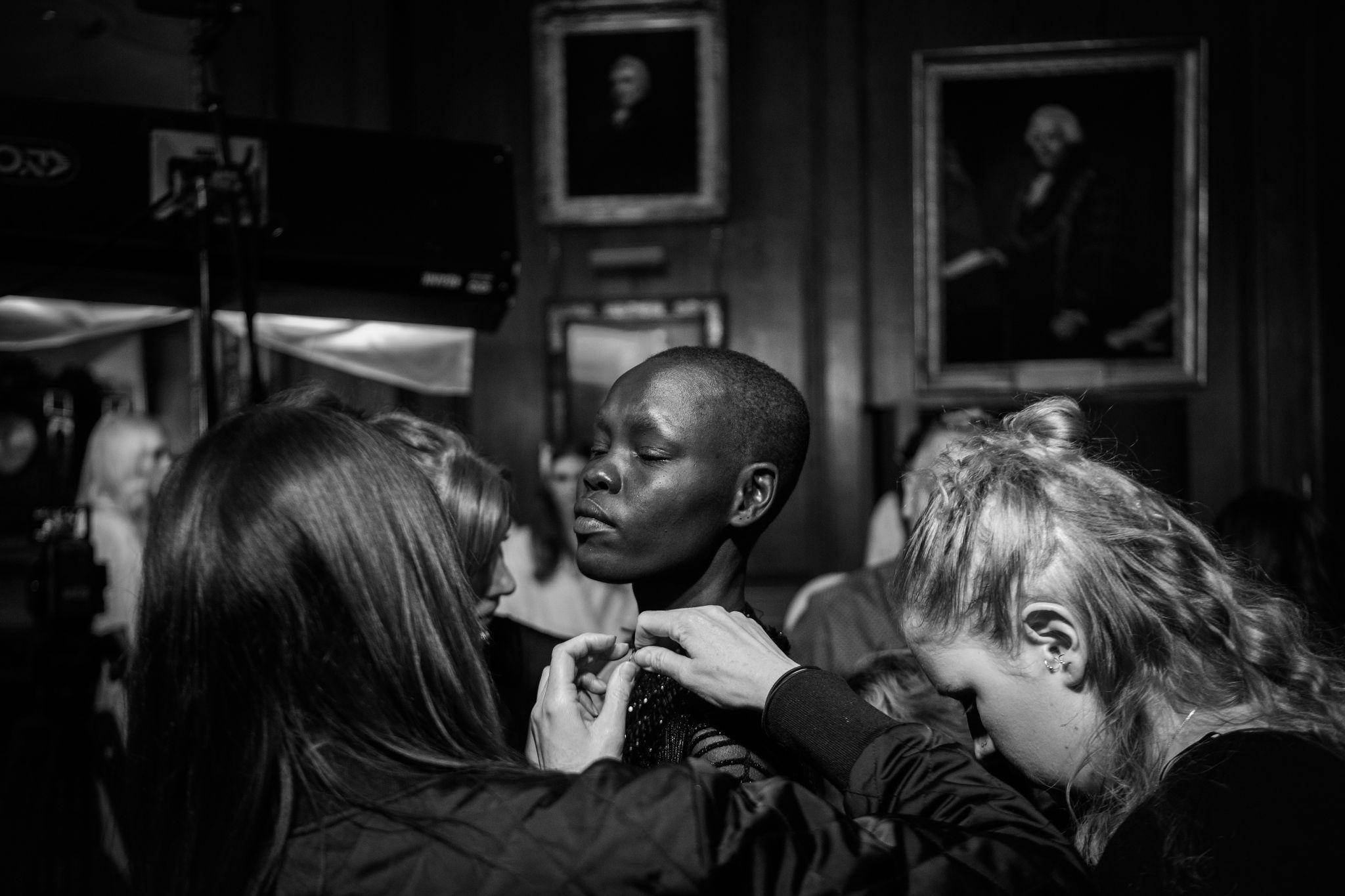

A modelling career takes more than the right look. Discover how professional knowledge, practical skills, confidence and preparation can help you become genuinely ready for opportunities in the UK modelling industry.
You have the photographs. You have the ambition. Perhaps you have already imagined yourself walking into a casting, working with a professional photographer or seeing your face in a campaign.
But what happens when the opportunity actually arrives?
Knowing how to pose is one thing. Understanding a photographer’s direction, behaving professionally on set, reviewing an agreement and presenting yourself confidently to potential clients are entirely different challenges.
This is where many aspiring models encounter an unexpected obstacle: the gap between wanting a modelling career and being prepared to pursue one.
At Choice Model Management, we believe that recognising this gap is not a reason to give up. It is an opportunity to develop the knowledge, confidence and practical abilities that can help you move forward with greater purpose.
Whether you are interested in fashion, commercial modelling, lifestyle campaigns, mature modelling or promotional work, preparation can make a meaningful difference to how you approach your next opportunity.
What Does Being Model-Ready Really Mean?
Being model-ready does not mean having a perfect appearance, an expensive wardrobe or years of experience.
It means understanding what the industry expects and developing the ability to respond professionally.
A model may have striking photographs but struggle to follow creative direction. Another may feel comfortable in front of a camera but have little understanding of contracts, usage rights or professional communication.
These situations highlight an important distinction: having potential and being prepared to work professionally are not necessarily the same thing.
Readiness develops through several connected areas:
- Understanding the expectations of professional modelling.
- Developing reliable communication and on-set behaviour.
- Building practical posing and performance skills.
- Learning how to present a professional portfolio.
- Understanding contracts, payments and business responsibilities.
- Recognising legitimate opportunities and avoiding misleading offers.
- Building confidence through preparation and experience.
The good news is that these are skills you can develop progressively.
1. Understand the Professional Side of the Modelling Industry
One of the biggest mistakes aspiring models make is focusing exclusively on appearance while overlooking the professional responsibilities involved in the work.
A professional photoshoot involves more than arriving and standing in front of a camera. Models may need to follow a brief, understand styling requirements, work within a schedule and respond constructively to direction.
Learn What Happens on a Professional Set
A typical shoot can involve photographers, creative directors, stylists, makeup artists, production teams and clients. Each person has a responsibility, and the model is expected to contribute positively to the overall process.
Professional behaviour includes:
- Arriving on time and communicating promptly if circumstances change.
- Reading the brief and understanding the shoot requirements.
- Following reasonable creative direction.
- Treating everyone on the production team respectfully.
- Maintaining appropriate boundaries.
- Asking questions when instructions are unclear.
- Remaining adaptable when schedules or creative requirements change.
These habits may appear simple, but they help establish trust.
A model who consistently communicates well and approaches assignments responsibly can make a stronger professional impression than someone who relies entirely on appearance.
Understand Contracts and Financial Responsibilities
Modelling is also a business.
Before accepting an assignment, you should understand what you are agreeing to, how you will be paid and how your photographs or performance may be used.
Important considerations include:
- Usage rights: Where, how and for how long can the client use your photographs?
- Payment terms: What is the agreed fee, and when will payment be made?
- Exclusivity: Are you restricted from working with competing brands?
- Cancellation terms: What happens if the assignment is cancelled?
- Expenses: Who is responsible for travel, accommodation, styling or other agreed costs?
- Representation agreements: What commission, obligations and termination provisions apply?
Never feel pressured to sign an agreement you do not understand.
In the UK, models should also familiarise themselves with relevant employment, tax and contractual responsibilities. Depending on how you work, you may need to understand self-employment registration and record-keeping requirements.
Professional preparation includes knowing when to seek independent advice.
2. Build a Portfolio That Communicates Your Potential
Your portfolio is often one of the first things a potential client or representative will see.
However, a strong portfolio is not simply a collection of attractive photographs. It should communicate your versatility, presentation and suitability for the type of modelling work you want to pursue.
Quality Matters More Than Quantity
Uploading dozens of similar photographs can make it harder for someone reviewing your portfolio to understand your range.
Instead, concentrate on selecting images that demonstrate different aspects of your presentation.
Consider including:
- Natural headshots: Clear, recent photographs showing your facial features without excessive editing.
- Full-length images: Photographs that communicate your overall proportions and presentation.
- Commercial lifestyle images: Approachable expressions and natural interactions.
- Fashion images: Styling, posture and the ability to communicate a particular creative direction.
- Editorial photographs: More expressive images demonstrating your ability to interpret different concepts.
Your selection should reflect the opportunities you are genuinely interested in pursuing.
Develop a Consistent Personal Brand
Your personal brand is the impression people form when they encounter your photographs, communication and professional presentation.
It does not mean creating an artificial personality or following every social media trend.
Instead, think about what makes your presentation distinctive.
Are you particularly suited to commercial lifestyle campaigns? Do you have an expressive editorial style? Does your experience lend itself to mature modelling, corporate campaigns or specialist promotional work?
Understanding your strengths can help you present yourself more clearly.
Keep your portfolio current, use consistent professional information and avoid presenting heavily edited images that create unrealistic expectations of your appearance.
Most importantly, let your portfolio represent who you are now, not an outdated version of yourself.
3. Develop Posing Skills and Camera Confidence
Being comfortable in front of a camera does not automatically mean knowing how to model.
Posing is a practical skill that improves through observation, experimentation and repetition.
A model may initially feel confident when taking photographs independently but become uncomfortable when asked to produce several different expressions or poses within a limited time.
This is perfectly normal.
Practise More Than One Look
Professional assignments can require a wide range of expressions and physical presentation.
For example:
- Commercial photography may require warmth, approachability and natural expressions.
- Fashion shoots may involve stronger posture and more deliberate movement.
- Editorial work may require distinctive expressions and creative interpretation.
- Lifestyle campaigns often benefit from natural-looking interactions and believable gestures.
Practise changing your expression without making every photograph look identical.
Learn how small adjustments to posture, head position, hand placement and body angles can change the overall impression of an image.
Learn to Follow Creative Direction
A photographer might ask you to soften your expression, change your posture, look away from the camera or repeat a movement.
Rather than becoming frustrated when a pose does not work immediately, learn to interpret instructions and make adjustments.
You do not need to get everything right on the first attempt.
The ability to listen, experiment and respond positively is an important part of professional development.
4. Build Confidence for Castings, Auditions and Live Events
Confidence is not simply about believing you look good.
It is also about feeling prepared when you enter an unfamiliar environment, meet new people or perform in front of others.
For aspiring models, castings and auditions can be particularly intimidating.
You may find yourself comparing your appearance with other applicants or worrying about whether you are saying the right things.
However, approaching every casting as a test of your personal worth can make the experience unnecessarily stressful.
Prepare Before You Attend
A little preparation can help you feel more comfortable.
Before attending a casting:
- Research the client or organisation.
- Understand the role and its requirements.
- Check the requested dress code and presentation guidelines.
- Prepare a short introduction about yourself.
- Bring any requested photographs or portfolio materials.
- Confirm the location, timing and contact details.
- Plan your journey to avoid unnecessary last-minute pressure.
If you are asked to introduce yourself, keep it natural and relevant. Explain your experience, interests and the type of opportunities you are seeking.
You do not need to pretend to be someone else.
Learn to Handle Rejection Constructively
Not every application or casting will lead to an opportunity.
Sometimes a client is looking for a particular age range, appearance, experience level or creative direction. These requirements may have little to do with your overall potential.
Rejection can still feel disappointing, especially when you have invested time and effort into an application.
Give yourself space to process it, but avoid allowing one unsuccessful experience to define your confidence.
Where appropriate, use the experience to identify areas for improvement and continue developing your skills.
5. Prepare Yourself Physically and Mentally
Modelling can involve long working days, changing environments, repeated takes and demanding schedules.
Depending on the assignment, you might spend extended periods standing, holding particular poses, travelling between locations or adapting to unfamiliar surroundings.
Preparation should therefore extend beyond photographs and appearance.
Develop Sustainable Physical Habits
Physical conditioning does not mean trying to achieve a particular body shape at any cost.
Different modelling categories have different requirements, and there is no single physical standard that applies to every opportunity.
Instead, concentrate on habits that support your general wellbeing and professional performance.
These may include:
- Maintaining a consistent sleep routine.
- Staying hydrated.
- Eating balanced meals.
- Incorporating suitable physical activity.
- Practising posture and controlled movement.
- Allowing adequate recovery between demanding commitments.
Avoid extreme dieting or unsafe physical changes to meet perceived industry expectations.
Your health should never become secondary to an attempt to secure modelling work.
Strengthen Your Mental Resilience
A professional environment can involve constructive criticism, uncertainty and occasional pressure.
Developing emotional resilience can help you respond more calmly when things do not go exactly as expected.
Learn to distinguish between useful professional feedback and inappropriate behaviour. Maintain personal boundaries, communicate concerns and recognise when an assignment or working environment does not feel safe.
Confidence grows when you understand your responsibilities and know how to protect your interests.
6. Learn to Identify Legitimate Modelling Opportunities
For aspiring models in the UK, finding genuine opportunities can be just as challenging as preparing for them.
Online advertisements, social media messages and unsolicited casting invitations can make it difficult to distinguish professional opportunities from misleading offers.
Some organisations may use impressive-looking websites or professional-sounding language without providing clear information about their operations.
Being cautious is not being negative. It is part of managing your career responsibly.
Research Before You Commit
Before working with an agency, photographer, casting organisation or client, take time to investigate.
Look for:
- A verifiable business identity and contact information.
- A clear explanation of services and representation arrangements.
- Transparent fees, commission structures and payment terms.
- Written agreements explaining responsibilities.
- A credible history of professional activity.
- Clear information about how photographs and personal information will be used.
Be particularly cautious if someone guarantees modelling work in exchange for an upfront payment or pressures you into making an immediate financial commitment.
In the UK, the rules governing employment agencies and employment businesses are relevant to parts of the modelling and entertainment sector. Models should understand the distinction between legitimate representation arrangements, optional services and questionable recruitment practices.
You can consult official guidance from the UK government and relevant regulatory bodies before entering an agreement.
Remember that legitimate representation does not guarantee regular bookings, and no professional organisation should discourage you from asking reasonable questions.
7. Build Industry Connections Without Losing Your Identity
Modelling opportunities often develop through professional relationships.
Photographers, casting professionals, stylists, creative teams and representatives may introduce you to opportunities that align with your experience and presentation.
However, networking is not about approaching everyone you meet with an expectation of immediate work.
It is about developing professional relationships based on communication, reliability and mutual respect.
Start With Meaningful Connections
You can begin developing your network by:
- Attending legitimate industry events and relevant workshops.
- Connecting with photographers whose work matches your interests.
- Maintaining a professional online presence.
- Participating in appropriate collaborative test shoots.
- Communicating respectfully with casting professionals.
- Keeping in touch with people you have previously worked with.
When approaching someone, be clear about who you are and why you are contacting them.
A thoughtful message accompanied by a suitable portfolio is generally more useful than repeatedly sending generic applications.
Make Your Online Presence Work for You
Social media can provide an additional platform for presenting your work.
However, your online presence should support your professional identity rather than become a source of unnecessary pressure.
Use recent photographs, provide accurate information and keep your contact details professional.
You do not need thousands of followers to demonstrate that you take your modelling interests seriously.
Consistency, presentation and the quality of your professional interactions matter.
8. Prepare for a Modelling Career Without Overspending
One concern that discourages many aspiring models is the perceived financial cost of entering the industry.
Professional photography, training, travel, clothing and portfolio development can become expensive, particularly when you are just starting.
However, spending more money does not automatically make someone a better model or guarantee access to professional opportunities.
The key is to understand which investments are genuinely useful at your current stage.
Prioritise What You Actually Need
Instead of purchasing every available service, consider a gradual approach.
Start with basic presentation.
Use clear, recent photographs that accurately represent your appearance. You may not need an expensive portfolio before making an initial enquiry with a representative.
Develop your skills independently.
Practise posing, expressions and movement. Study professional photography and learn how different modelling categories communicate visually.
Choose training carefully.
If you decide to attend a modelling workshop or professional development session, investigate the instructor’s experience and what the programme actually offers.
Be selective with test shoots.
Work with photographers whose style aligns with your goals. Agree on deliverables, usage rights and any costs before committing.
Plan your travel.
Consider the location, expected expenses and realistic value of an opportunity before agreeing to attend.
A thoughtful approach to spending can help you develop without placing unnecessary financial pressure on yourself.
9. Create a Personal Readiness Plan
Understanding what needs improvement is useful, but turning that understanding into action is where progress begins.
Rather than trying to develop every skill simultaneously, identify the areas that would make the biggest difference to your next application or assignment.
Here is a practical starting point:
| Development area | Your next step |
|---|---|
| Industry knowledge | Learn about professional set expectations and contracts. |
| Portfolio | Review your photographs and remove outdated or repetitive images. |
| Posing | Practise different expressions, angles and movements. |
| Confidence | Rehearse introductions and prepare for casting situations. |
| Physical wellbeing | Establish sustainable routines that support your health. |
| Professionalism | Improve punctuality, communication and reliability. |
| Career safety | Research agencies and verify opportunities before committing. |
| Networking | Build genuine connections with relevant industry professionals. |
| Financial planning | Set a realistic budget for training, photography and travel. |
You do not have to become an expert in everything before applying.
The purpose of a readiness plan is to help you recognise where you stand, what needs attention and how to make measurable progress.
Are You Ready to Take the Next Step?
Before pursuing your next modelling opportunity, take a moment to consider these questions:
- Can I confidently introduce myself to a potential client or representative?
- Do I understand the type of modelling work I want to pursue?
- Does my portfolio accurately represent my current appearance and abilities?
- Can I follow creative direction and adapt my expressions?
- Do I understand the basic terms of a modelling agreement?
- Can I recognise warning signs associated with questionable opportunities?
- Am I prepared to communicate professionally and respect working boundaries?
- Do I have a realistic plan for developing my skills and managing expenses?
You do not need to answer yes to every question immediately.
What matters is being honest about your current abilities and recognising that preparation is an ongoing process.
Closing the Readiness Gap Starts With the Right Mindset
The journey towards a modelling career is rarely as straightforward as taking a few photographs and waiting for an opportunity to appear.
It requires a combination of presentation, practical ability, professional understanding and personal development.
Some aspiring models need to improve their posing. Others need to develop their portfolios, understand industry agreements or become more confident in professional environments.
There is no universal timeline for becoming ready, and progress does not look identical for everyone.
What matters is approaching your development with patience, realistic expectations and a willingness to learn.
At Choice Model Management, we recognise that potential can take many forms. Whether you are beginning your journey or looking to develop your existing experience, understanding what professional readiness involves can help you approach opportunities with greater confidence.
You do not need to have everything figured out today. You do need to take your next step with purpose.
Build your skills. Understand the industry. Protect your interests. Present yourself professionally.
Because a successful modelling journey is not just about being seen. It is about being prepared when the right opportunity comes along.
Take the Next Step With Choice Model Management
Are you considering professional representation or looking to understand whether your current presentation is suitable for the modelling industry?
Explore Choice Model Management and discover how our approach to talent representation can help you understand the next stage of your modelling journey.
Your potential deserves preparation. Your ambitions deserve a considered approach.