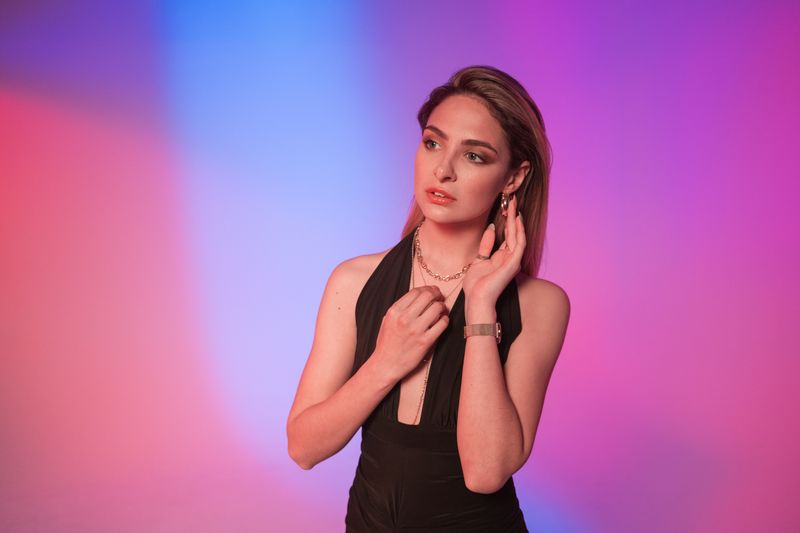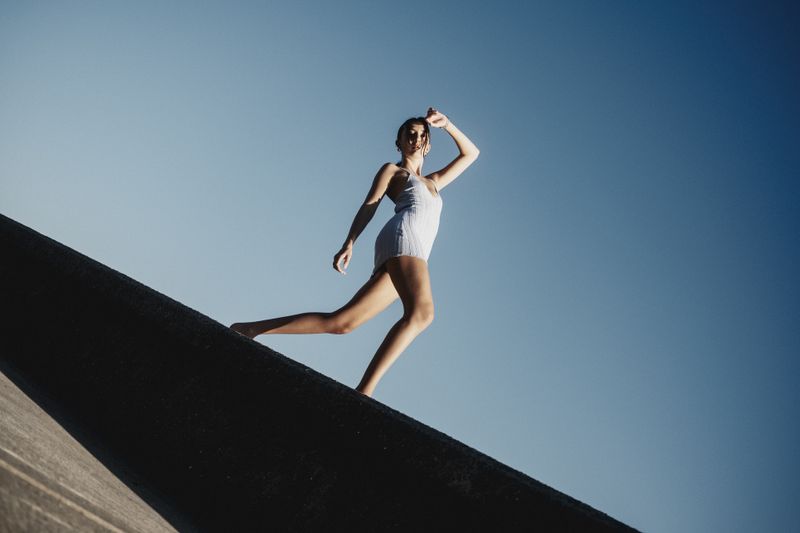
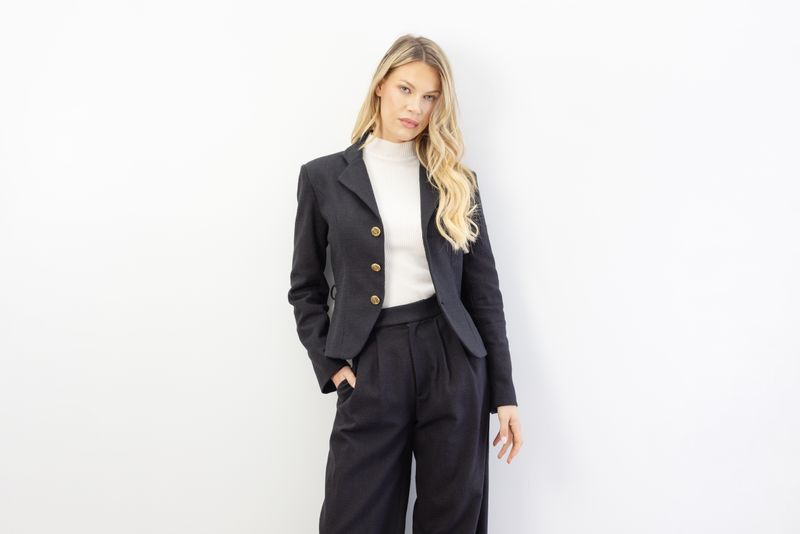

Starting a modelling career in the UK is exciting. You might picture yourself stepping onto a professional set, working with creative teams, or seeing your first campaign published. But before those opportunities arrive, there is one important step that deserves your attention: building a model portfolio that shows agencies and clients what you can really do.
For beginners, creating a portfolio can feel overwhelming. Should you invest in a professional photoshoot? How many pictures should you include? Do you need editorial images, commercial shots, or simple digitals? And how can you make your portfolio stand out without spending a fortune?
The good news is that a strong beginner model portfolio does not need to be extravagant. It needs to be clear, versatile, professional and authentic.
At Choice Model Management, we believe your first portfolio should showcase your potential, not hide it behind unnecessary styling, excessive editing or hundreds of photographs. Understanding the most common beginner model portfolio mistakes can help you present yourself with confidence and take a more considered step towards your modelling goals.
1. Poor Photography Quality That Distracts from Your Potential
Your portfolio is often the first impression you make on an agency or prospective client. Even when you have the right look, poorly executed photography can make it harder for others to recognise your potential.
One of the most common beginner model portfolio mistakes is relying on photographs with inconsistent lighting, distracting backgrounds or poor image quality.
Harsh shadows and unflattering lighting
Lighting can dramatically change how a photograph looks. Strong overhead lighting may create harsh shadows beneath your eyes and nose, while direct sunlight can cause overexposed skin and squinting. In contrast, photographs taken in a very dark room may lose important details.
For beginners, natural daylight can be an excellent starting point. Position yourself near a window, face the light and choose a simple background. Avoid direct midday sunlight if it creates strong shadows across your face.
You do not need an expensive studio to begin. You need lighting that allows your features to be seen clearly.
Blurry, low-resolution or heavily edited images
A photograph should look polished without looking artificial. Excessive skin smoothing, unrealistic colour adjustments and heavy retouching can make your images less useful for assessing your natural appearance.
Similarly, blurry photographs or images that become pixelated when enlarged may suggest a lack of attention to presentation.
Choose sharp, well-exposed images and keep editing subtle. Your skin should still look like skin, your facial features should remain authentic, and your proportions should not be digitally altered.
The takeaway: Prioritise clarity and authenticity over complicated effects. A simple, well-lit photograph can communicate more than an elaborate image that obscures your natural look.
2. Repetitive Poses and Expressions That Show Limited Versatility
You may have a favourite angle. Perhaps you always turn slightly to one side, smile in the same way or place your hands on your hips in every photograph.
There is nothing wrong with having a signature pose. The problem arises when your entire portfolio looks as though every image came from the same moment.
Modelling involves responding to different creative briefs, audiences and products. A commercial shoot may call for warmth and approachability, while an editorial concept might require a more intense expression or an unconventional pose.
Learn to communicate through your expressions
Practise a range of expressions in front of a mirror or camera:
- A relaxed, natural smile for lifestyle and commercial work.
- A neutral expression that allows your features to stand out.
- A confident, direct gaze for fashion and beauty images.
- Softer expressions that communicate warmth or thoughtfulness.
- More expressive poses that suit editorial and creative concepts.
Avoid forcing an expression simply because you think it looks model-like. Relax your face, breathe naturally and experiment with small changes in your eyes, shoulders and head position.
Make your poses look intentional
Versatility does not mean performing dramatic poses in every frame. Subtle changes can make a considerable difference.
Try shifting your weight between your legs, changing the angle of your shoulders, moving your hands naturally or looking away from the camera. Review the results and notice which movements look comfortable rather than forced.
Remember: Agencies are interested in your ability to adapt, not just your ability to recreate one attractive pose.
3. Including Too Many Photographs Instead of Your Strongest Work
When you have spent hours taking photographs, removing images can feel surprisingly difficult. You may like a particular outfit, remember enjoying a photoshoot or feel attached to a picture because it was one of your first attempts.
However, your portfolio is not a photographic diary. It is a carefully selected presentation of your modelling potential.
One of the biggest beginner portfolio mistakes is including every photograph that looks reasonably good instead of choosing only the strongest and most relevant images.
Quality matters more than quantity
A portfolio filled with near-identical headshots, multiple versions of the same outfit and unrelated selfies can make your best work harder to find.
Instead, select images that each serve a purpose. One might demonstrate your facial features, another your full-body proportions, and another your ability to communicate a particular mood or style.
For a new model, a concise collection of strong images is often more effective than a large gallery of inconsistent work. The ideal number depends on the agency, client or platform requirements, so check the relevant submission guidelines before deciding what to include.
Ask yourself three questions
Before adding a photograph, consider:
- Does this image show something that my other photographs do not?
- Is the image clear, current and professionally presented?
- Does it support the type of modelling work I want to pursue?
If a photograph does not strengthen your overall presentation, leave it out.
You can always keep additional images in a separate archive for future projects. Your public-facing portfolio should be selective, not exhaustive.
4. Missing Essential Shots That Agencies Need to See
A portfolio can look visually impressive while still failing to provide the information an agency needs.
For beginners, this often happens when every image is styled, heavily posed or cropped tightly around the face. These photographs may be attractive, but they do not necessarily demonstrate the full range of your appearance.
Include clear headshots and full-body photographs
A useful beginner portfolio may include:
Natural headshots: Clear photographs showing your face, features and current appearance, preferably with minimal makeup and unobstructed lighting.
Full-body images: Photographs showing your overall proportions, posture and how you carry yourself.
Profile views: Side-profile images can help communicate your features from another angle, particularly when requested by an agency.
Commercial-style images: Approachable, natural photographs that could suit lifestyle, retail, beauty or advertising campaigns.
Editorial or fashion images: More creative photographs demonstrating your ability to interpret a concept, work with styling or convey a particular mood.
You do not necessarily need every category in every submission. Some agencies prefer simple digitals when assessing new applicants, while others may request a particular selection of portfolio images.
Always follow the instructions provided by the agency you are approaching.
Do not confuse professional images with required digitals
This distinction matters.
Professional portfolio images demonstrate how you appear in a creative setting. Digitals, sometimes called natural snapshots, are intended to show your current appearance with minimal styling and editing.
A beautifully retouched image cannot replace natural digitals when an agency specifically requests them.
If you are applying to UK modelling agencies, check their individual requirements before arranging an expensive photoshoot. You may be able to take suitable initial photographs at home using a smartphone, daylight and a plain background.
5. Failing to Show Diversity in Looks, Styles and Mood
A strong portfolio should help the viewer imagine you working across appropriate briefs. If every image features the same outfit, hairstyle, expression and background, it may be difficult to see how you could adapt.
This does not mean every beginner must demonstrate every modelling category. Fashion, commercial, beauty, fitness and other areas have different requirements, and not every model needs to pursue all of them.
The goal is to show a considered range that suits your interests and strengths.
Build variety without losing authenticity
You could include a simple headshot, a natural smiling image, a full-length photograph and a more styled fashion image. If you have access to a professional photographer, you might also explore different lighting, compositions and moods.
Keep the changes purposeful. Variety should reveal different aspects of your potential rather than make your portfolio feel disconnected.
For example, a model interested in commercial work might benefit from photographs that communicate friendliness, confidence and everyday relatability. Someone exploring editorial fashion may want to demonstrate stronger expressions, distinctive movement and an understanding of creative direction.
Neither approach is automatically better. What matters is whether the images communicate the type of work you are suited to.
Your portfolio should tell agencies what you can offer while leaving room for your potential to grow.
6. Inconsistent Styling and a Portfolio Without a Clear Direction
Imagine viewing a portfolio in which one photograph has a polished editorial aesthetic, the next is a casual holiday selfie, and the third uses a heavy filter and completely different colour treatment.
Each photograph might have its own appeal, but together they can make the portfolio feel unfinished.
Consistency does not mean every image must look identical. It means the collection should feel intentional.
Create a visual identity that supports your strengths
Start by considering the qualities you want your portfolio to communicate. Do you come across as energetic and approachable? Do you suit clean, contemporary fashion imagery? Are you drawn to beauty, sportswear or lifestyle campaigns?
You do not have to choose a permanent niche at the beginning of your career. Instead, use your initial selection to explore a few relevant directions without creating unnecessary visual clutter.
Pay attention to:
- Backgrounds that do not compete with you.
- Styling that complements your appearance and the intended brief.
- Natural, consistent colour treatment.
- Images that work together without looking repetitive.
- A clear distinction between simple digitals and creative portfolio work.
Avoid copying another model’s entire aesthetic simply because their career appears successful. Inspiration can be useful, but your own strengths should remain visible.
7. Neglecting Your Portfolio’s Story and Personality
A portfolio is more than a collection of attractive images. It is an introduction to you as a potential collaborator.
When all your photographs look technically correct but communicate little variation in personality, the portfolio may feel forgettable. This can happen when beginners concentrate so heavily on looking like a model that they forget to express themselves.
You do not need to smile in every image or manufacture a dramatic personality. Instead, think about how your expressions, posture and movement communicate different qualities.
A relaxed commercial photograph might convey warmth. A confident fashion image might suggest presence. A quieter portrait might communicate subtlety.
Together, these photographs create a clearer impression of your range.
Let your portfolio develop with experience
Your first portfolio does not need to define your entire career. As you attend test shoots, learn from photographers and become more comfortable in front of the camera, you may discover strengths you had not previously recognised.
Review your selection periodically. Remove outdated photographs, replace weaker images with stronger work and make sure your portfolio reflects your current appearance.
Growth is part of the process. Your goal is not to create a perfect portfolio on day one, but to present your best work honestly and continue improving it.
8. Forgetting Professional Contact Details and Presentation
Your images may attract attention, but a confusing portfolio can make the next step unnecessarily difficult.
If an agency or client wants to contact you, they should not have to search through unrelated social media accounts, guess which email address is current or navigate a disorganised website.
Professional presentation includes making communication straightforward.
Make your contact information easy to find
Depending on your setup and the submission requirements, consider including:
- Your professional name.
- A dedicated email address suitable for modelling enquiries.
- Your location or UK region, where relevant.
- A link to your portfolio or professional profile.
- Any requested measurements or other application details.
Do not publish sensitive personal information such as your home address, private telephone number or personal documents unnecessarily. Provide additional details through appropriate, trusted application channels when required.
If you use a website, make sure the contact page works on mobile devices, links are functional and the photographs load correctly.
If you apply directly through an agency’s website, complete its application form carefully and follow the specified submission process rather than assuming a separate portfolio website is essential.
Professionalism extends beyond your photographs
Use clear filenames, remove broken links, check spelling and keep your portfolio easy to navigate.
For example, descriptive image filenames such as beginner-model-portfolio-headshot.jpg are more organised than a collection of files named IMG_4837.jpg.
These small details will not guarantee an opportunity, but they can help your presentation feel considered and professional.
9. Spending Too Much Before You Understand What You Need
A common concern among aspiring models is the belief that they must spend heavily on a portfolio before an agency will take them seriously.
Professional photography can be valuable, but beginners should be cautious about paying for expensive packages before understanding what they actually need.
Some agencies accept natural digitals from new applicants. Others may have specific preferences about photography or portfolio development. Requirements vary, so research each agency carefully.
Be careful with unrealistic promises
Be wary of anyone who guarantees modelling work in exchange for an expensive portfolio package or pressures you into paying immediately to secure representation.
A professional-looking website, impressive social media presence or persuasive sales pitch does not automatically establish that an agency is legitimate.
Before committing to a service or signing an agreement, research the organisation, review the terms and ask questions about fees, representation and how opportunities are offered.
If you are unsure, seek independent advice before making a financial commitment.
Your early career should be built around informed decisions, practical learning and a realistic understanding of the industry, not pressure to spend money you cannot comfortably afford.
10. Treating Your Portfolio as Finished Instead of a Work in Progress
Perhaps your first portfolio contains only four good photographs. Maybe you are still learning how to pose, experimenting with different expressions or trying to understand which images suit you best.
That is perfectly normal.
A beginner portfolio should be judged by how effectively it presents your current potential, not by whether it resembles the extensive book of an established professional.
As you gain experience, you can refine your images, learn from feedback and gradually develop a stronger understanding of your personal strengths.
After each shoot, review your photographs critically but constructively.
Ask yourself what worked, what looked forced and which images revealed something new about your abilities. Use those observations to guide your next shoot.
Progress often comes from making small, deliberate improvements rather than trying to fix everything at once.
Your Beginner Model Portfolio Checklist
Before submitting your portfolio to a UK modelling agency, use this checklist to identify any obvious weaknesses.
-
My photographs are sharp, well-lit and free from distracting backgrounds.
-
My images show a natural range of facial expressions and poses.
-
I have selected my strongest photographs rather than including everything.
-
My portfolio contains the headshots, full-body images or digitals requested by the agency.
-
My selection demonstrates relevant variety without feeling disorganised.
-
My editing is subtle and does not misrepresent my appearance.
-
My styling and presentation feel intentional and appropriate.
-
My portfolio reflects my current appearance.
-
My contact information and application links are accurate and easy to use.
-
I have checked the agency’s submission requirements before paying for photography or other services.
You do not need to achieve perfection before applying. Use this list to address the most important weaknesses and make your submission as clear as possible.
Final Thoughts: Your First Portfolio Is a Starting Point, Not a Final Judgement
Every established model began somewhere. Learning to pose naturally, understanding lighting and selecting photographs that communicate your strengths are skills that develop with practice.
The most common beginner model portfolio mistakes are rarely solved by adding more images or spending more money. Often, the best improvements come from removing distractions, choosing clearer photographs, showing more purposeful variety and making your presentation easier to understand.
At Choice Model Management, we encourage aspiring models to approach their portfolios with curiosity, care and confidence. You do not have to look like someone else to create a compelling introduction. You need to understand what makes your appearance distinctive, present yourself authentically and remain open to learning.
If you are preparing to apply to a modelling agency in the UK, take a moment to review your portfolio from a fresh perspective. Choose the images that genuinely represent you, check the agency’s submission guidelines and focus on presenting your potential rather than trying to appear perfect.
Your next step does not have to be a bigger photoshoot. It might simply be a better photograph, a more natural expression or a more thoughtful selection.
Ready to take the next step in your modelling journey? Explore the application guidance on the Choice Model Management website and prepare a submission that reflects your strengths, your individuality and your ambitions.