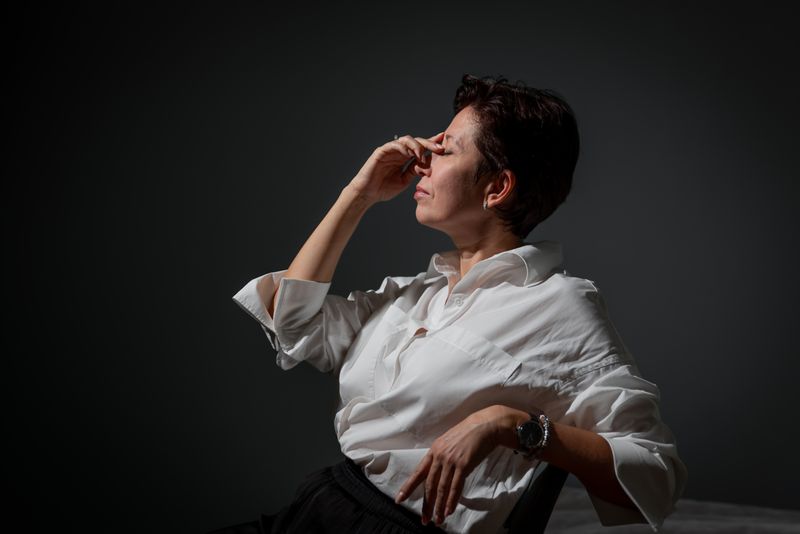


There is always another opportunity around the corner. Another casting call, another portfolio update, another booking to prepare for or another connection worth pursuing. In modelling, where opportunities can appear unexpectedly and disappear just as quickly, staying active can feel essential.
For many models across the UK, ambition comes with an unspoken expectation: always be available, always be prepared and never allow yourself to fall behind.
But what happens when the effort to keep moving forward leaves you with little energy to enjoy the career you are working so hard to build?
Between early morning call times, last-minute booking changes, long journeys across London, Manchester, Birmingham and beyond, and the demands of everyday life, finding time to recover can become increasingly difficult.
The truth is that a successful modelling career should not require you to sacrifice your wellbeing. Ambition matters, but so does knowing when to pause.
Building a sustainable career is not about doing everything. It is about making sure you can continue doing what matters.
1. Stop Treating Every Opportunity as an Obligation
When bookings are inconsistent, saying no can feel uncomfortable. A model might worry that declining a last-minute shoot will affect future opportunities or that taking time away will make them less visible to clients and industry professionals.
This pressure can lead to accepting commitments without considering whether they are realistic.
Imagine receiving an invitation for a shoot in London shortly after returning from another booking in Manchester. You already have personal commitments, limited recovery time and another potential casting approaching. Accepting everything might appear ambitious, but the practical consequences can quickly outweigh the benefits.
Instead of automatically agreeing, consider three things:
- Does the opportunity support your professional goals?
- Can you realistically manage the travel, preparation and working hours?
- Will accepting it compromise an existing commitment or your ability to recover?
Not every opportunity deserves an immediate yes. Some deserve a polite no, while others may be worth discussing for a different date.
Professionalism is not measured by how frequently you are available. It is also reflected in how reliably you manage the commitments you accept.
2. Create a Schedule That Leaves Room to Breathe
Modelling schedules rarely follow a predictable nine-to-five routine. Castings, fittings, commercial shoots, portfolio sessions and travel arrangements can change with little notice.
For models working across the UK, even a single booking can involve several hours of travelling. A morning call time in London might mean leaving home before sunrise, while an evening booking could make returning the same day difficult.
Trying to organise every hour around work leaves little room for unexpected changes.
A more realistic approach is to build flexibility into your schedule.
Try these practical habits:
- Plan around confirmed bookings: Keep a central calendar for shoots, castings, travel and personal commitments.
- Allow travel buffers: Account for delays, connections and the time needed to prepare before a booking.
- Protect recovery time: Avoid scheduling demanding commitments immediately after particularly long working days.
- Keep some availability flexible: Leave room for genuine opportunities without making every day potentially available.
- Review your week: Identify periods where your commitments are becoming unrealistic before exhaustion sets in.
A well-managed schedule should support your career rather than turn every day into a race against the clock.
3. Understand That Rest Is Part of Professional Preparation
Long working hours, changing locations and repeated early starts can affect concentration, mood and physical energy.
This becomes particularly challenging when bookings involve international travel. Moving between UK time and other time zones can disrupt sleep routines, making it harder to feel rested even after returning home.
It is tempting to fill every available moment with preparation, networking or administrative work. However, recovery deserves the same consideration as the activities that directly contribute to your career.
Rest does not have to mean taking an extended holiday.
It might involve having a quiet evening after a demanding shoot, maintaining a consistent sleep routine when possible, taking a break from social media or allowing yourself a day without professional commitments.
Pay attention to signs that you are pushing too hard. Persistent tiredness, difficulty concentrating, irritability and losing enthusiasm for work can all be reasons to reassess your routine.
If fatigue continues or begins affecting everyday life, consider seeking advice from a healthcare professional.
Your ability to perform confidently and professionally depends partly on how well you look after yourself outside working hours.
4. Protect Your Relationship With Your Body
Modelling can involve considerable attention to appearance. From portfolio photographs and fitting sessions to client expectations and public feedback, models may feel that their physical appearance is constantly being evaluated.
Over time, this can create an unhealthy relationship with food, exercise and self-image.
The pressure becomes particularly difficult when rest is mistaken for a lack of discipline or when maintaining a particular appearance starts taking priority over physical and mental wellbeing.
It is important to recognise that looking after your body is not the same as constantly trying to change it.
Focus on sustainable habits:
- Eat regular, balanced meals rather than following restrictive routines.
- Choose physical activities that support your health and that you genuinely enjoy.
- Allow sufficient recovery between demanding activities.
- Avoid comparing your appearance with heavily edited photographs online.
- Seek qualified professional support if concerns about food, exercise or body image become overwhelming.
A modelling career should never depend on neglecting your health.
Your appearance may be part of your professional presentation, but your wellbeing is much more important than meeting an unrealistic expectation.
5. Learn to Set Boundaries Without Feeling Guilty
One of the most difficult professional skills to develop is knowing when to say no.
Models may feel pressure to remain available to several contacts simultaneously, respond to messages immediately and accommodate changes even when they create significant personal inconvenience.
However, being professional does not mean being permanently accessible.
Clear communication can help establish healthier working relationships.
For example, if you receive a booking request that conflicts with an existing commitment, explain your availability honestly. If a proposed schedule involves difficult travel arrangements, ask whether alternative timings are possible.
You can also establish reasonable expectations around communication. Not every message requires an immediate response, particularly outside agreed working hours.
A few simple phrases can make these conversations easier:
- “Thank you for considering me. Unfortunately, I am unavailable on that date.”
- “I would be interested in the opportunity. Would an alternative date be possible?”
- “Could you please confirm the expected working hours and location before I commit?”
- “I would appreciate a little more notice to organise the travel arrangements.”
Boundaries are not barriers to professional relationships. They help create realistic expectations and reduce the likelihood of misunderstandings.
6. Manage Financial Uncertainty Alongside Career Ambition
One reason models struggle to take breaks is financial uncertainty.
Unlike many salaried professions, modelling work can fluctuate considerably. A busy month may be followed by a quieter period, and the timing of bookings and payments may not always be predictable.
This uncertainty can make rest feel financially irresponsible.
Developing a basic financial routine can help reduce some of that pressure.
Start by understanding your essential monthly expenses, including accommodation, transport, food, bills and professional costs. Then consider how much you need to set aside during stronger earning periods to support yourself when bookings become less frequent.
Other useful habits include:
- Keeping personal and professional expenses organised.
- Tracking payments and outstanding invoices.
- Building an emergency fund gradually.
- Avoiding unnecessary spending during particularly busy periods.
- Reviewing the actual financial value of opportunities rather than accepting every booking.
It is also worth considering how your modelling experience can create opportunities beyond traditional bookings.
Communication, presentation, networking, time management and understanding client expectations are transferable skills. Depending on your interests, these could support future opportunities in areas such as brand representation, content creation, marketing, events, coaching or other professional fields.
Thinking about your financial future does not mean you lack commitment to modelling. It means you are taking responsibility for your career beyond the next booking.
7. Stay Connected to People Outside the Industry
The modelling environment can sometimes feel isolating.
Travelling for work, spending time away from family and friends, and navigating an industry built around competition and evaluation can make it difficult to maintain a sense of stability.
Social media can add another layer of pressure. Seeing other models announce bookings, travel frequently or share professional achievements may create the impression that everyone else is progressing faster.
But a career is not a competition with a universal timetable.
Maintaining relationships outside the industry can provide perspective when professional life becomes overwhelming.
Make time for family, friends and activities that have nothing to do with modelling. Stay connected with people who value you beyond your appearance, portfolio or professional achievements.
If you are experiencing loneliness or persistent anxiety, talking to someone you trust or seeking appropriate professional support can make a meaningful difference.
Your identity should never become limited to your professional role.
8. Remember That Taking a Break Does Not Mean Losing Momentum
Perhaps the biggest concern surrounding rest is the fear of becoming irrelevant.
When opportunities are competitive, stepping away can feel like allowing someone else to take your place.
However, there is an important difference between abandoning your career and deliberately creating space to recover.
A planned break can give you time to review your portfolio, reconsider your professional direction, reconnect with your interests and return with a clearer sense of what you want.
You do not need to disappear completely to slow down.
You might temporarily reduce the number of bookings you accept, pause non-essential portfolio projects or focus on maintaining existing professional relationships rather than constantly seeking new ones.
The key is to make decisions based on your circumstances rather than fear.
Your career is not defined by how continuously you work. It is also shaped by the decisions you make about where your time and energy should go.
9. Redefine What Career Progress Looks Like
It is easy to measure progress through visible achievements: more bookings, better photographs, recognisable clients or increased professional exposure.
These milestones can be encouraging, but they do not tell the whole story.
A model who learns to negotiate professionally, manages their finances responsibly, develops stronger boundaries and maintains their wellbeing is also making meaningful progress.
Consider setting goals that extend beyond the number of bookings you secure.
For example:
- Improve the quality and relevance of your portfolio.
- Develop stronger communication and negotiation skills.
- Build relationships with reputable industry professionals.
- Establish a more consistent financial routine.
- Explore opportunities that could support your long-term career.
- Create a realistic balance between work, personal interests and recovery.
These goals can help you build a career with greater direction rather than constantly chasing the next opportunity.
Finding Your Own Balance Between Ambition and Rest
There is no universal formula for balancing ambition and rest. Every model has different responsibilities, financial circumstances, professional goals and personal priorities.
Some periods will naturally be busier than others. There may be weeks filled with exciting opportunities, followed by quieter periods that allow you to recover and reassess.
What matters is recognising that both phases have a place in a sustainable career.
You can be ambitious without accepting every booking. You can be dedicated without sacrificing every weekend. You can take your professional development seriously while still making time for the people and activities that make life meaningful.
At Choice Model Management, we believe that a modelling career should be approached with realistic expectations, professional preparation and respect for individual circumstances.
Your ambition deserves room to grow, but your wellbeing deserves protection along the way.
The goal is not simply to keep going. It is to build a career that you have the energy, confidence and freedom to enjoy for years to come.