Starting an acting career in the UK can feel like stepping into a world where everything costs more than expected. Casting platforms charge monthly fees. Self-tapes demand “professional” quality. Scripts feel locked behind paywalls or training schools.
And yet, the reality behind many successful early careers is much simpler: most actors begin with basic, affordable tools and learn how to use them well.
At Choice Model Management, we’ve seen it repeatedly. It’s not about having the most expensive setup. It’s about having the right setup for where you are right now.
This guide strips everything back to what actually matters.
The Real Problem Isn’t Budget – It’s Clarity
Many beginners don’t struggle because they lack money. They struggle because they don’t know:
- Which tools are actually necessary
- What casting directors realistically expect
- Where to find opportunities without overspending
So they overspend on platforms, underinvest in their setup, and end up feeling stuck.
Let’s fix that.
1. Casting Platforms: Spend Smart, Not Wide
There’s a common moment most beginners face:
You sign up for a well-known casting platform, pay the fee, open it… and feel completely lost.
Too many roles. Too many requirements. Too little confidence.
What You Actually Need
Instead of paying for everything at once, focus on:
- One primary paid platform (if you choose to invest)
- Free or low-cost alternatives alongside it
Affordable UK-Friendly Options
- Free Facebook casting groups (UK-based)
Surprisingly active, especially for student films and indie projects - University film boards & student productions
Many UK film schools regularly post casting calls - Community theatre listings
Often overlooked, but excellent for experience and credits
Key Mindset Shift
You don’t need access to more auditions.
You need access to the right auditions for your level.
That’s where most beginners go wrong.
2. Self-Taping Setup: Keep It Simple, Look Professional
This is one of the biggest pain points.
You’re acting… but also adjusting your phone… checking lighting… worrying how you look… restarting constantly.
It breaks performance.
The Truth Casting Directors Won’t Always Say
Yes, quality matters.
But no, you don’t need a studio.
What they’re really looking for is:
- Clear audio
- Even lighting
- A distraction-free background
- Honest performance
That’s it.
3. Affordable Self-Tape Kit (Under £50–£80 Total)
You can build a clean, professional-looking setup with these:
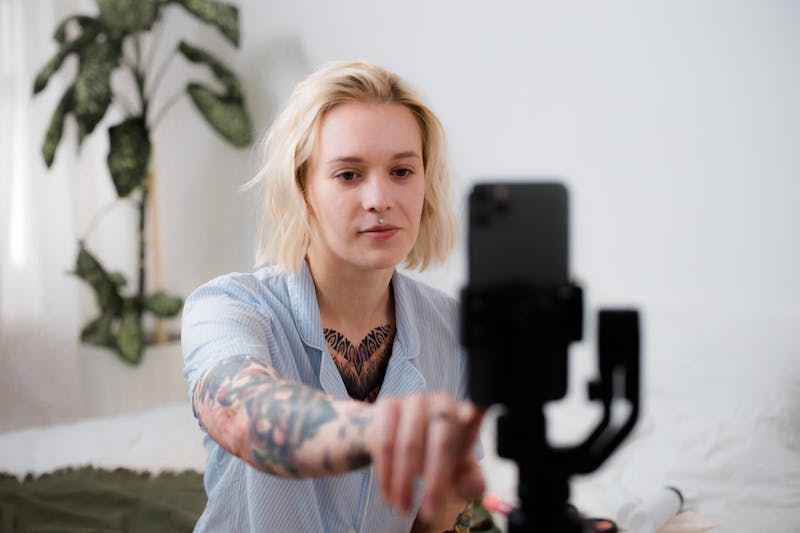
Tripod (Essential)
- Keeps framing consistent
- Removes the stress of balancing your phone
Clip-On Ring Light or LED Panel
- Costs very little
- Fixes 80% of lighting issues instantly
Plain Background
- A neutral wall works perfectly
- Or a cheap backdrop sheet
External Microphone (Optional but Powerful)
- Even a basic lav mic improves audio clarity significantly
What About Just Using a Phone?
Completely fine.
Modern smartphones are more than capable. Many UK casting directors regularly accept self-tapes shot on phones, as long as the fundamentals are right.
If your setup is clean and your performance is strong, you will be taken seriously.
4. The Hidden Skill: Separating Performance from Filming
Most beginners struggle not because of tools, but because they try to do everything at once.
Act. Frame. Adjust. Check. Repeat.
Instead:
- Set your frame first
- Test lighting once
- Lock your setup
- Then focus only on performance
If possible, ask a friend to help with recording. If not, treat your setup as fixed so your mind can stay in the scene.
This small shift changes everything.
5. Scripts for Practice: Free Doesn’t Mean Useless
Another common frustration:
“I want to practise, but I don’t have access to good scripts.”
While it’s true that many premium scripts sit behind paywalls, there are still useful options:
Where to Find Free or Low-Cost Material
- Public domain plays and monologues
- UK library services (many offer script access)
- Student film scripts (often shared during casting)
- Writing your own short scenes
Important Reality
Free resources can feel limited. That’s true.
But at the beginner stage, you don’t need perfect scripts. You need:
- Repetition
- Comfort on camera
- Emotional honesty
Even a simple scene can build those skills.
6. What Casting Directors Actually Notice
There’s a quiet misconception that beginners need to “look expensive” to be taken seriously.
In reality, early impressions are shaped by:
- Confidence on camera
- Clear delivery
- Authentic presence
- Basic professionalism
A clean, simple self-tape often performs better than an overproduced one that feels stiff or unnatural.
7. Build Momentum Before You Scale
Instead of chasing the “perfect setup,” aim for:
- A reliable self-tape routine
- A small number of consistent auditions
- Regular practice
Once you start getting responses, then upgrade:
- Better lighting
- Paid platforms
- Coaching or classes
Growth should follow progress, not precede it.
Final Thought: You’re Not Behind – You’re Early
Feeling overwhelmed at the start is normal.
Most actors in the UK begin exactly where you are:
- Unsure where to find roles
- Filming in their living room
- Working with limited resources
What separates those who move forward is not budget.
It’s clarity.
Get the basics right. Keep it simple. Stay consistent.
Everything else builds from there.