
There is a moment every model recognises.
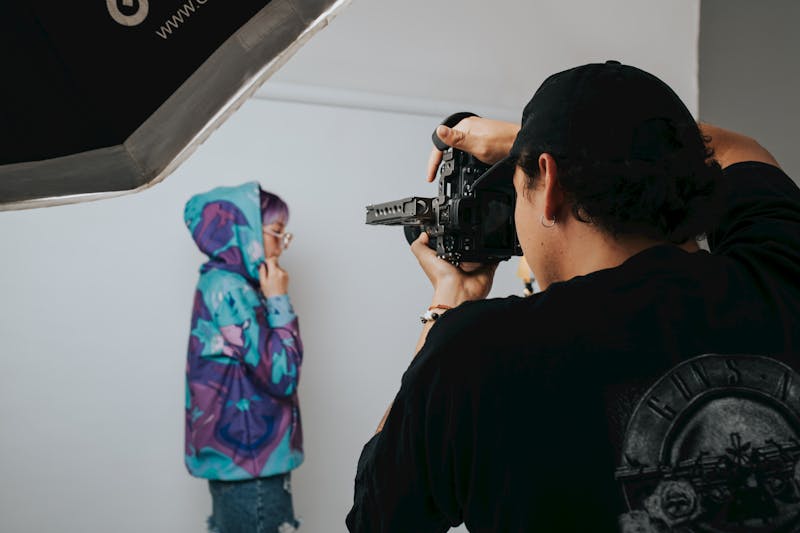
You arrive on set, lights warming up, camera already pointed your way, and suddenly everything you practised feels distant. Your body stiffens. Your face forgets how to relax. You wonder if everyone can see the doubt you are trying to hide.
At Choice Model Management, we see this far more often than people admit.
Talent is rarely the issue. Preparation is.
Being “set-ready” is not about perfection. It is about removing uncertainty before it has a chance to take over. This checklist exists for one reason: so you walk onto set knowing you belong there.
What “Set-Ready” Really Means in the UK Modelling Industry
In the UK, punctuality, professionalism, and ease on set matter just as much as your look. Clients expect models who can adapt quickly, follow direction, and bring energy without being overworked or over-posed.
Set-ready means:
-
You understand the brief
-
Your body is warmed up, not tense
-
Your mindset is steady, even if you feel nervous
-
You can deliver natural, repeatable poses on demand
Confidence does not appear magically. It is built before you arrive.
The Set-Ready Checklist Every Model Should Follow
1. Prepare Your Body, Not Just Your Outfit
Many models focus entirely on clothes, grooming, and shoes, then step on set feeling stiff and awkward.
Before leaving:
-
Stretch your neck, shoulders, hips, and ankles
-
Loosen your jaw and facial muscles
-
Take five slow breaths through your nose
A relaxed body translates directly to better posing. If your body feels rigid, the camera will show it.
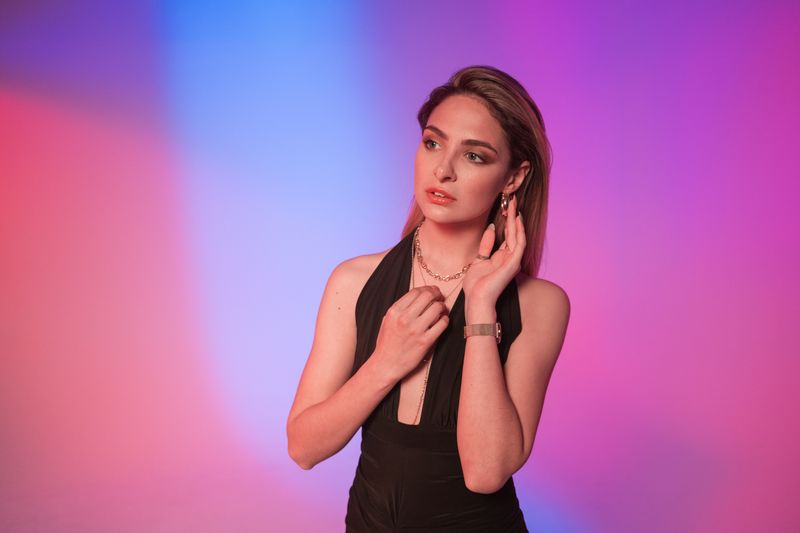
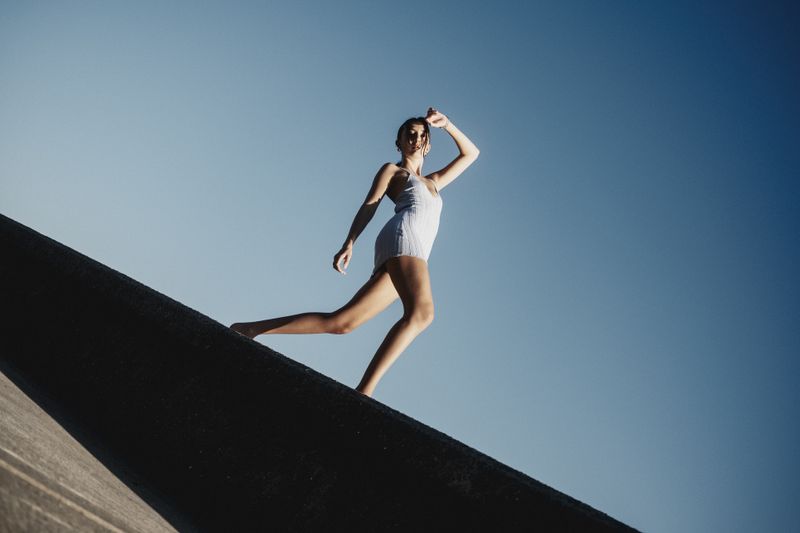
2. Understand Posing as Shapes, Not “Angles”
One of the biggest frustrations we hear is confusion around posing advice that feels vague or unhelpful.
Instead of thinking about angles, think about:
-
Creating space between limbs and torso
-
Shifting weight slowly, not locking into positions
-
Letting movement lead the pose, then pausing
Good posing is not static. It is controlled motion that stops at the right moment.
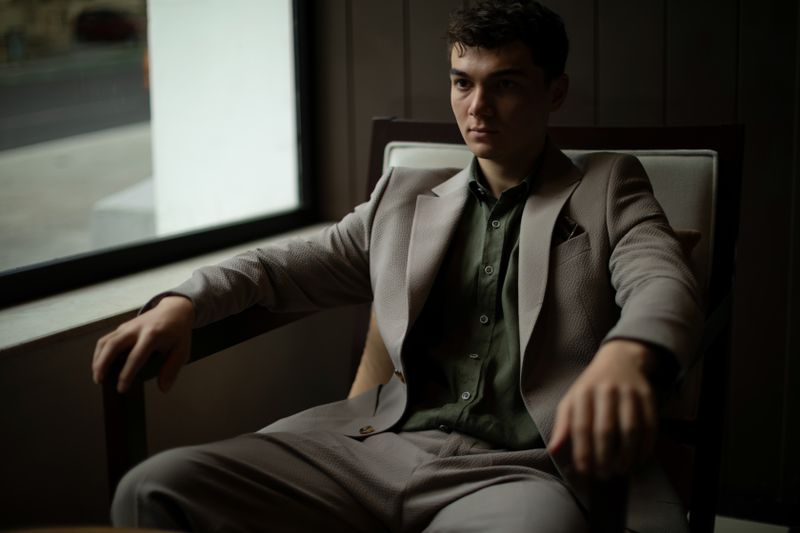
For men especially, this approach avoids stiffness and creates natural confidence without forcing exaggerated poses.
3. Build Camera Confidence Before You Feel It
You do not need to feel confident to look confident.
If you are anxious or simply having a bad day:
-
Keep your movements slower than you think necessary
-
Focus on breathing between shots
-
Reset your face after every click
Looking “miserable” often comes from holding tension too long. The reset is what professionals do, even when they are tired or stressed.
4. Know the Brief, Then Add Your Personality
UK clients value authenticity. Over-posing or copying trends without context often backfires.
Before the shoot:
-
Read the brief carefully
-
Note the mood words, not just the clothing
-
Ask one clarifying question if needed
Once on set, deliver the brief first. Then layer in subtle personality. This balance is what makes you memorable without being risky.
5. Be Social Media Aware, Not Social Media Driven
Aspiring models often ask how social media fits into their career. The truth is simple.
On set:
-
You are there to serve the client, not your feed
-
Avoid posing purely for what looks viral
-
Stay present and professional
Your online presence should reflect your work, not replace it. Agencies and clients in the UK notice reliability before follower counts.
6. Cultural Awareness Matters More Than Trends
Poses, expressions, and styling can read very differently depending on context. What feels confident in one setting may feel forced or inappropriate in another.
In the UK market:
-
Subtlety often reads as confidence
-
Clean lines outperform exaggerated gestures
-
Neutral expressions are not emotionless, they are versatile
Being adaptable shows professionalism and long-term potential.
Why Preparation Changes Everything
Most confidence issues on camera are not personality flaws. They are preparation gaps.
When you arrive set-ready:
-
You stop overthinking your body
-
You respond faster to direction
-
You feel calmer under pressure
That calm is what clients remember.
Final Thoughts from Choice Model Management
You do not need to be fearless to succeed in modelling.
You need systems that support you when nerves show up.
This checklist is not about changing who you are. It is about helping you arrive on set already grounded, already prepared, and already one step ahead.
If you can do that consistently, confidence follows.
And confidence, in this industry, is what keeps the bookings coming.